
Creating a Customizable Minimalist Chore Chart for Large Families


Understanding the Importance of a Family Chore Chart
A family chore chart serves as a visual organizational tool that clearly defines household responsibilities for each family member. It creates structure and accountability while teaching children valuable life skills about contributing to a shared living space.
- Reduces confusion and conflict – Everyone knows exactly what they’re responsible for, eliminating arguments about who should do what
- Promotes fairness – Tasks are distributed equitably across family members, preventing resentment or the feeling that one person does everything
- Teaches time management – Children learn to plan their day around responsibilities and understand how to balance obligations with free time
- Builds independence – Kids gain confidence as they master tasks and take ownership of their contributions
- Creates consistency – Regular routines help households run more smoothly and predictably
Benefits of Implementing Family Chores
Assigning chores to family members creates a cooperative household environment where everyone plays an active role in maintaining the home. Research shows that children who do chores develop stronger work ethics and better life skills that benefit them into adulthood.
- Develops responsibility – Children learn that their actions (or inactions) have consequences for the whole family
- Strengthens family bonds – Working together toward common goals creates a sense of teamwork and unity
- Builds essential life skills – Kids learn practical abilities like cooking, cleaning, and organization that they’ll need as adults
- Boosts self-esteem – Completing tasks successfully gives children a sense of accomplishment and competence
- Reduces parental stress – When responsibilities are shared, no single person becomes overwhelmed with household management
- Teaches financial literacy – Some families tie chores to allowances, helping children understand the connection between work and money
- Improves academic performance – Studies suggest children with regular chores often develop better executive functioning skills
How a Chore Chart Encourages Family Participation
A visible chore chart transforms abstract expectations into concrete, achievable tasks that motivate family members to contribute. The visual nature of the chart provides immediate feedback and recognition, which naturally encourages ongoing engagement from all household members.
- Makes expectations crystal clear – There’s no ambiguity about what needs to be done or when it should be completed
- Provides visual motivation – Seeing unchecked boxes or incomplete tasks serves as a gentle reminder without nagging
- Celebrates progress – Checking off completed tasks gives an immediate sense of satisfaction and achievement
- Fosters healthy competition – Siblings may be motivated to complete their chores when they see others finishing theirs
- Enables age-appropriate assignments – The chart can be customized so younger children have simpler tasks while older kids tackle more complex responsibilities
- Creates opportunities for rewards – Many families use completed charts as the basis for privileges, allowances, or special family activities
- Encourages communication – The chart becomes a focal point for family discussions about household needs and individual capabilities
- Builds routine and habit – Regular reference to the chart helps establish chores as a normal, expected part of daily life
Choosing the Right Template for Your Family Chore Chart
Selecting the appropriate chore chart template depends on your family’s unique size, ages, schedules, and organizational preferences. The right template should be intuitive enough for everyone to use independently while also matching your household’s specific needs and lifestyle.
- Consider your family size – Larger families may need more compact designs or rotating schedules, while smaller families can use more detailed individual charts
- Match children’s ages – Younger kids benefit from visual charts with pictures or stickers, while teens can handle text-based or digital formats
- Assess your space – Determine whether you need a wall-mounted chart, refrigerator magnet version, or digital app based on where your family naturally gathers
- Evaluate complexity needs – Some families thrive with simple daily checkboxes, while others prefer point systems, color coding, or reward tracking
- Think about flexibility – Choose templates that allow for easy updates as children grow, seasons change, or family circumstances shift
- Consider maintenance – Decide whether you want reusable laminated charts, disposable weekly sheets, or low-maintenance digital options
- Review tracking preferences – Some templates focus on completion, others on quality or time spent, so align this with your family’s values
Exploring Different Chore Chart Ideas
There’s a wide variety of chore chart styles available, from traditional paper lists to interactive digital apps, each offering unique advantages for different family dynamics. Experimenting with different formats helps you discover what resonates best with your family members and keeps them engaged over time.
- Magnetic chore charts – Perfect for refrigerators with movable magnets representing each task that kids can physically shift from “to-do” to “done”
- Wheel or spinner charts – Rotating designs where chores change weekly, preventing boredom and ensuring everyone learns all household tasks
- Point-based systems – Assign different point values to chores based on difficulty, allowing kids to “earn” privileges or rewards
- Picture charts for young children – Use icons or photos of tasks so pre-readers can independently understand their responsibilities
- Digital apps and platforms – Tech-savvy families can use smartphone apps that send reminders, track progress, and gamify chores
- Clip chart systems – Clothespins with names move along a chart as tasks are completed, providing visual progress tracking
- Weekly calendar grids – Show all family members’ chores across the week, making it easy to see daily and weekly patterns
- Jar or envelope systems – Write chores on sticks or cards that children draw randomly, adding an element of surprise
- Team-based charts – Group family members into teams that work together on chores, fostering collaboration
- Theme-based designs – Incorporate favorite characters, sports themes, or seasonal decorations to increase appeal
Customizing Your Chore Chart Template
Personalization transforms a generic template into a motivating tool that reflects your family’s personality, values, and specific household needs. Customization ensures the chart addresses your unique challenges while incorporating elements that genuinely excite and engage your family members.
- Add your family’s specific chores – Include tasks unique to your household like pet care, garden maintenance, or special cleaning needs
- Incorporate your children’s names and photos – Personal touches make kids feel ownership and excitement about their responsibilities
- Use your family’s preferred colors or themes – Whether it’s favorite colors, superheroes, or sports teams, visual appeal increases engagement
- Adjust difficulty levels appropriately – Ensure younger children have achievable tasks while older kids are appropriately challenged
- Include space for notes or feedback – Allow family members to communicate about chore completion, challenges, or suggestions
- Build in your reward system – Whether it’s allowance tracking, privilege points, or fun family activities, integrate your chosen incentives
- Add flexibility for special circumstances – Create options for trading chores, excused days for illness, or bonus tasks for extra credit
- Integrate your family schedule – Align chore timing with school schedules, work hours, and activity commitments
- Include quality standards – Some families add simple criteria or checklists to ensure tasks are completed thoroughly, not just quickly
- Make it accessible – Consider mobility needs, reading levels, and ensure the chart is positioned where everyone can easily see and use it
- Add inspirational elements – Include family mottos, encouraging quotes, or progress celebrations to maintain long-term motivation
Designing a Minimalist Approach to Your Family Chore Chart
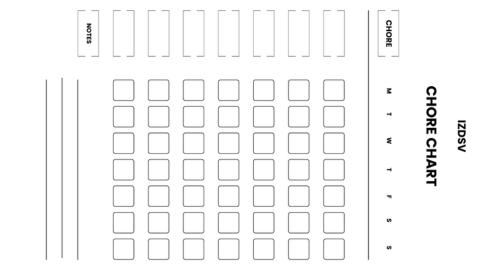
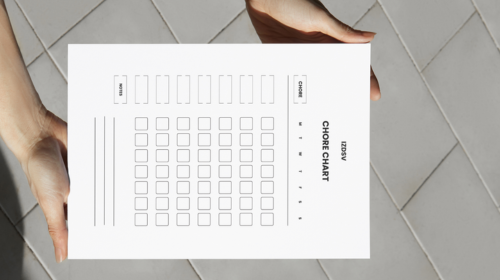
A minimalist chore chart strips away unnecessary complexity and visual clutter, focusing on essential information to make household responsibilities clear and manageable. This streamlined approach reduces overwhelm for both parents and children while creating a calm, organized system that’s easy to maintain long-term.
- Embrace simplicity – Use clean lines, ample white space, and only the most critical information to prevent visual overload
- Limit color choices – Stick to 2-3 neutral or muted colors that create harmony rather than distraction
- Focus on function over decoration – Eliminate decorative elements that don’t serve a practical purpose in task completion or tracking
- Use clear, legible fonts – Choose simple, readable typography without mixing multiple font styles that can look chaotic
- Reduce the number of tracked items – Include only the most important daily or weekly chores rather than every possible household task
- Choose quality materials – A single well-made chart is more minimalist than multiple cluttered papers or systems
- Create a designated space – Position your chart in one consistent location rather than spreading chore information throughout the house
- Eliminate redundancy – Avoid tracking the same information in multiple ways or places
- Design for longevity – Create a timeless design that won’t need frequent updates due to trendy elements
Elements of a Minimalist Chore Chart
A minimalist chore chart contains only the core components necessary for clarity and functionality, removing anything that doesn’t directly contribute to completing tasks. These essential elements work together harmoniously to create an effective system without unnecessary embellishment.
- Family member names or initials – Simple identification without photos, avatars, or decorative labels
- Concise task descriptions – Use brief, action-oriented phrases like “dishes” or “vacuum” instead of lengthy explanations
- Simple tracking method – A single checkbox, checkmark space, or minimal indicator for completion status
- Time frame indicator – Basic daily, weekly, or date labels without excessive calendar details
- Neutral color coding (optional) – One color per person or task category maximum, using subtle tones
- Clean grid or list format – Organized rows and columns with consistent spacing and alignment
- Minimal borders or dividers – Use subtle lines only where necessary to separate information clearly
- Uncluttered background – White, off-white, or soft neutral backgrounds without patterns or textures
- Standard symbols – If using icons, choose universally recognizable, simple line drawings
- Breathing room – Adequate spacing between elements so the chart doesn’t feel cramped or overwhelming
Using Canva for Easy Customization
Canva is a user-friendly graphic design platform that makes creating a personalized chore chart accessible even for those without design experience. The platform offers drag-and-drop functionality with thousands of templates and elements that you can adapt to create the perfect minimalist chore chart for your family.
- Start with a template – Search “chore chart” or “family schedule” in Canva to find pre-designed layouts you can simplify and customize
- Choose the right dimensions – Select standard sizes like 8.5×11 inches for printing or custom dimensions for specific display spaces
- Access free design elements – Use Canva’s library of free fonts, shapes, lines, and basic icons without needing a paid subscription
- Utilize the grid and alignment tools – These features help you create clean, organized layouts with consistent spacing
- Customize colors easily – Click any element to change its color, or create a custom color palette that matches your home décor
- Add text boxes for names and chores – Simple text fields can be positioned, resized, and formatted to fit your needs perfectly
- Create reusable templates – Save your design to reuse weekly or monthly, simply updating dates or rotating chores as needed
- Download in multiple formats – Export as PDF for crisp printing, PNG for digital display, or keep it in Canva to edit on any device
- Share with family members – Canva allows you to share edit access so other family members can update the chart collaboratively
- Use the mobile app – Design or edit your chore chart from your phone or tablet for convenient on-the-go updates
- Duplicate and iterate – Make copies of your design to try different layouts or create seasonal variations without starting from scratch
- Print directly or save digitally – Either print your chart at home or keep it digital for use on tablets or displays around your home
Implementing Your Customizable Chore Chart in Daily Routines
Successfully integrating a chore chart into daily life requires strategic placement, clear communication, and connecting tasks to existing family routines. The key is making the chart an automatic part of your household rhythm rather than an extra step that feels burdensome or easy to forget.
- Choose a high-traffic location – Place the chart where family members naturally pass multiple times daily, such as the kitchen, mudroom, or main hallway
- Link chores to existing habits – Attach new responsibilities to established routines like “make bed right after waking” or “wipe counters after dinner”
- Set specific check-in times – Designate moments when everyone reviews the chart together, such as after breakfast or before bedtime
- Start with a family meeting – Introduce the chart formally, explain expectations, and answer questions so everyone understands the system
- Begin gradually – Implement one or two chores per person initially, then add more as the routine becomes established
- Create morning and evening routines – Structure chores around natural transition times when family members are already shifting activities
- Use verbal reminders initially – During the first few weeks, gently prompt family members to check the chart until it becomes habitual
- Model the behavior – Parents should visibly use the chart for their own tasks, demonstrating that everyone participates
- Connect to transitions – Make chart-checking part of before-school, after-school, or pre-dinner routines
- Allow flexibility within structure – Let family members choose when during the day they complete tasks, as long as they’re done by a set time
- Celebrate early successes – Acknowledge when the routine works smoothly to reinforce the positive habit formation
Creating a Checklist for Family Chores
A well-designed checklist breaks down household responsibilities into clear, actionable items that prevent confusion and ensure thoroughness. The checklist should be specific enough to maintain standards while remaining simple enough for children to follow independently.
- List daily non-negotiables – Include essential tasks that must happen every day, like making beds, dishes, and tidying common areas
- Add weekly deep-cleaning tasks – Incorporate chores like vacuuming, bathroom cleaning, or laundry that occur on specific days
- Include age-appropriate responsibilities – Assign tasks matching each child’s developmental stage, from simple toy pickup to complex meal preparation
- Break complex chores into steps – For younger children or complicated tasks, create sub-checklists like “Clean bathroom: wipe sink, clean toilet, sweep floor”
- Incorporate rotating duties – Add chores that change weekly or monthly, such as trash duty or pet feeding responsibilities
- Designate personal responsibilities – Include individual tasks like “organize your backpack” or “put away your laundry”
- Add seasonal or periodic tasks – Note less frequent chores like organizing closets, washing windows, or yard work
- Include time estimates – Help children manage expectations by noting how long tasks typically take
- Create quality checkpoints – Add brief standards like “dishes: no food residue” or “room: floor clear, bed made”
- Build in flexibility options – Allow for chore swapping or trade-offs between siblings with parental approval
- Add bonus or optional tasks – Include extra chores that family members can choose for additional rewards or allowance
- Organize by location – Group chores by room or area to make completion more efficient
Tips for Maintaining Consistency with Your Chore Chart
Long-term success with a chore chart depends on establishing sustainable systems, maintaining accountability, and keeping the approach fresh enough to prevent boredom or resistance. Consistency requires commitment from parents to enforce expectations while remaining flexible enough to adapt as family needs change.
- Review and adjust regularly – Schedule monthly family meetings to discuss what’s working, what isn’t, and make necessary modifications
- Follow through with consequences – Establish clear, reasonable outcomes for incomplete chores and apply them consistently without exceptions
- Provide consistent positive reinforcement – Acknowledge completed tasks through praise, privileges, or rewards to maintain motivation
- Lead by example – Parents must consistently complete their own charted responsibilities to model the expected behavior
- Avoid nagging – Let the chart and established consequences do the reminding rather than constant verbal prompting
- Make it a non-negotiable routine – Treat chores like brushing teeth—not optional, just part of daily life
- Stay calm during resistance – Respond to pushback with firm but neutral reminders rather than emotional reactions
- Refresh the system periodically – Change chart designs, rotate chores, or introduce new tracking methods every few months to maintain interest
- Connect to larger goals – Regularly discuss how chores contribute to family values, life skills, and personal growth
- Be patient with setbacks – Expect occasional lapses and use them as learning opportunities rather than reasons to abandon the system
- Maintain the chart itself – Keep it clean, updated, and functional; a damaged or outdated chart signals the system isn’t important
- Involve kids in problem-solving – When consistency wanes, ask children for ideas about how to improve the system
- Tie to natural motivators – Connect completed chores to things kids already want, like screen time, outings, or weekend activities
- Build in grace for special circumstances – Allow temporary adjustments during illness, major school projects, or family events while returning to routine afterward
Final Thoughts on Customizable Family Chore Charts
A customizable family chore chart is far more than just a household management tool—it’s an investment in your children’s future and your family’s harmony. When implemented thoughtfully and maintained consistently, chore charts create a foundation of responsibility, teamwork, and life skills that children carry into adulthood while making daily family life more peaceful and organized.
- View it as a long-term investment – The time spent establishing a chore system pays dividends in children’s character development and household efficiency
- Remember that perfection isn’t the goal – Some weeks will be better than others, and that’s completely normal in family life
- Recognize the teaching opportunity – Chores teach far more than cleaning skills—they develop work ethic, time management, and accountability
- Understand it benefits everyone – Parents gain support and reduced stress, while children gain confidence and competence
- Keep perspective on resistance – Pushback is normal and doesn’t mean the system is failing; consistency will prevail
- Celebrate the journey – Notice and appreciate progress rather than focusing solely on perfect execution
- Value the life lessons – The skills children learn through regular chores—reliability, follow-through, and contribution—are invaluable
- Appreciate the family bonding – Working together toward shared goals strengthens relationships and creates a sense of unity
- Stay flexible and adaptive – The best chore chart is one that evolves with your family rather than remaining rigid
- Trust the process – Even when it feels challenging, maintaining the routine will ultimately create positive habits
- Remember your why – Reflect regularly on why you started this system to stay motivated during difficult phases
Encouraging Family Cooperation through a Daily Routine
Daily routines that incorporate chores naturally foster cooperation by creating predictable expectations where everyone knows their role in maintaining the household. When chores become woven into the fabric of everyday life rather than feeling like interruptions, family members shift from reluctant participants to invested team members.
- Frame chores as family contributions – Use language like “helping our family” rather than “your chores” to emphasize collective benefit
- Create team-based tasks – Pair siblings or parent-child duos for certain chores to build collaboration skills
- Schedule family cleaning times – Designate periods when everyone works simultaneously, making it feel less isolating
- Rotate responsibilities fairly – Ensure no one feels stuck with the worst tasks permanently by implementing regular rotation
- Acknowledge interdependence – Help children understand how their contributions affect others, like how clearing dishes helps the person washing them
- Make it social – Play music, talk, or create a positive atmosphere during chore time rather than treating it as punishment
- Solve problems together – When issues arise, involve the whole family in finding solutions rather than imposing top-down rules
- Share the load during busy times – Model cooperation by helping each other when someone is overwhelmed with school or activities
- Connect individual tasks to family goals – Explain how clean spaces allow for family game nights, guests, or other enjoyable activities
- Express genuine gratitude – Regularly thank family members for specific contributions rather than taking efforts for granted
- Create friendly competitions – Occasionally introduce challenges like “who can fold laundry fastest” to add fun
- Build traditions around routine – Establish pleasant rituals like Saturday morning cleaning, followed by a special breakfast or family activity
- Emphasize shared ownership – Reinforce that the home belongs to everyone, so everyone shares maintenance responsibilities
Making Adjustments as Your Family Grows
Family dynamics constantly evolve as children mature, new members arrive, circumstances change, and schedules shift, requiring your chore system to adapt accordingly. A truly effective chore chart grows with your family, regularly incorporating new capabilities, changing needs, and different life stages.
- Increase responsibility with age – Gradually add more complex tasks as children develop skills and maturity
- Adjust for developmental milestones – Transition from picture charts to text-based systems as children learn to read
- Accommodate new family members – When babies arrive or family composition changes, redistribute tasks and adjust expectations temporarily
- Adapt to changing schedules – Modify chore timing when school schedules change, sports seasons begin, or work hours shift
- Scale up for increased independence – Teenagers should have significantly more complex responsibilities, like meal planning, laundry, or home maintenance
- Account for individual differences – Recognize that children have varying strengths and challenges; adjust accordingly while maintaining fairness
- Respond to life transitions – Be flexible during moves, divorces, illnesses, or other major family changes
- Incorporate technology appropriately – Older children may prefer app-based systems, while younger ones need physical charts
- Add financial literacy components – Introduce allowance systems, budgeting tasks, or financial responsibilities as children mature
- Include college and career preparation – Teach advanced skills like car maintenance, tax filing, or apartment care to older teens
- Adjust for empty nest phases – Redistribute chores when older children leave home without overburdening remaining family members
- Revisit and renegotiate regularly – Hold quarterly or bi-annual reviews where everyone discusses needed changes
- Stay open to new methods – Be willing to completely overhaul your system if it’s no longer serving your family’s needs
- Document what works – Keep notes about successful strategies to reference when making future adjustments
- Prepare for regression – Understand that major changes may temporarily disrupt established routines; plan for re-establishment rather than abandonment