
Help Kids Learn Life Skills: Age-Appropriate Chores for Children (Preschool to Toddler)
What chores for children are appropriate for preschoolers and young kids?
Preschoolers (ages 3-5) can handle simple, straightforward tasks that help them feel capable and contribute to the family. These chores should be safe, achievable with minimal supervision, and focused on building basic life skills.
- Putting toys away in designated bins or shelves
- Placing dirty clothes in the hamper
- Helping to make their bed (pulling up blankets, arranging stuffed animals)
- Feeding pets with pre-measured food
- Watering plants with a small watering can
- Dusting low surfaces with a cloth
- Setting the table with unbreakable items like napkins and plastic plates
- Helping to sort laundry by colors or types
- Wiping up small spills with paper towels
- Putting books back on shelves
Which age-appropriate chores for kids can children as young as two years old do?
Two-year-olds are just beginning to develop coordination and independence, so their chores should be very simple and focused on imitation and participation. At this age, the goal is less about perfectly completing tasks and more about building habits and confidence.
- Putting toys in a basket or bin with help
- Throwing trash in a wastebasket
- Helping to put dirty clothes in the hamper
- Wiping their face and hands with a washcloth
- Carrying their empty plate to the counter after meals
- Helping to fill a pet’s water bowl (with supervision)
- Stacking soft items like towels or washcloths
- Putting shoes in a designated spot
What small tasks help preschoolers learn responsibility and life skills?
Regular small tasks teach preschoolers that they’re important members of the household and that their contributions matter. These activities build fine motor skills, following directions, and a sense of accomplishment.
- Taking care of personal belongings (hanging up coats, putting away backpacks)
- Helping with meal preparation (washing vegetables, stirring ingredients, tearing lettuce)
- Clearing their own dishes from the table
- Choosing their clothes and getting dressed independently
- Helping to unload groceries and put away non-breakable items
- Matching clean socks into pairs
- Watering household or garden plants
- Putting away their own shoes when entering the house
- Helping to pack their own snacks or lunch box items
- Tidying up after activities before starting new ones
What household chores can preschoolers do safely around the home?
Safety is paramount when assigning chores to preschoolers, so tasks should avoid sharp objects, chemicals, heat sources, or heavy items. Focus on ground-level activities and those that don’t require climbing or reaching dangerous areas.
- Sweeping floors with a child-sized broom (even if not perfectly done)
- Using a handheld vacuum on small messes
- Wiping tables and counters with a damp cloth
- Organizing books or magazines on low shelves
- Helping to fold simple items like washcloths and towels
- Collecting and emptying small trash cans into larger bins (with supervision)
- Helping to strip their bed sheets on laundry day
- Arranging cushions on couches or chairs
- Helping to bring in lightweight mail or newspapers
- Sorting recycling items into appropriate bins
How do I create a chore chart or chore list that works for preschoolers?
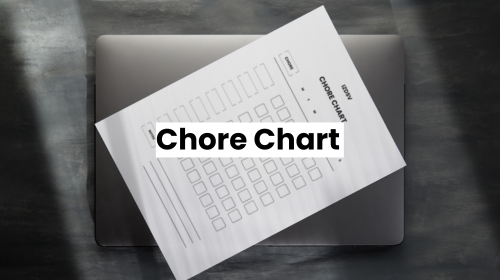
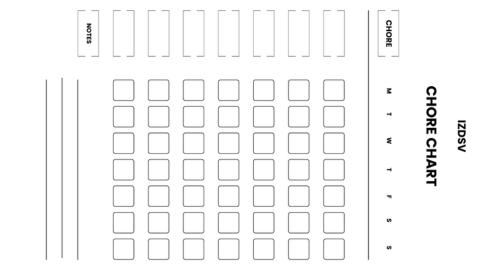
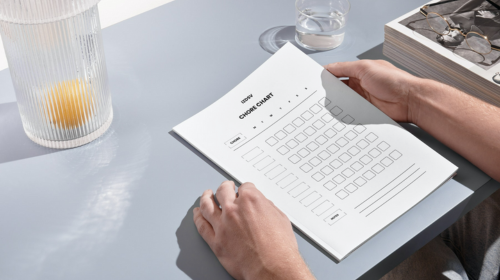
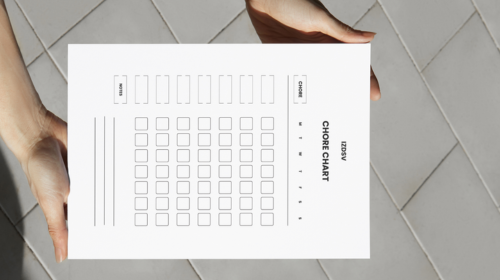
A successful preschool chore chart needs to be visual, simple, and engaging since most preschoolers can’t read yet. The key is using pictures or symbols they can recognize independently, keeping the list short (3-5 chores maximum), and making it interactive so they can mark their progress.
- Use pictures or icons instead of words for each chore
- Keep the chart at the child’s eye level, where they can see and reach it easily
- Limit to 3-5 daily chores to avoid overwhelming them
- Include a way for them to mark completion (stickers, magnets, velcro checkmarks)
- Make it colorful and visually appealing to capture their attention
- Use a consistent daily routine so chores happen at predictable times
- Laminate the chart so it’s durable and reusable
- Consider a morning routine section and an evening routine section
- Add their name and photo to make it feel personalized and special
- Place it in a central location like the kitchen or their bedroom
How to design a daily chore chart that makes chores for children clear and fun
Making chores fun transforms them from obligations into games that preschoolers actually want to participate in. A well-designed chart uses bright colors, achievable goals, and positive reinforcement to create excitement around helping out.
- Use a theme your child loves (dinosaurs, princesses, trucks, animals)
- Add a reward system, like earning a star for each completed chore
- Create a “treasure chest” or prize box for accumulated stars or stickers
- Include silly or fun names for chores (“Toy Tornado Cleanup” instead of “Put toys away”)
- Use velcro pieces or magnets; they can physically move from “to-do” to “done”
- Add encouraging phrases like “You did it!” or “Great job helper!”
- Make it a game by timing chores with a fun sand timer
- Use different colors for different types of chores (blue for cleaning, green for helping)
- Include pictures of them doing the chore successfully as motivation
- Let them help decorate the chart with stickers or drawings
- Create a spinning wheel to randomly select which chore to do first
- Add music cues or special songs associated with specific chores
What list of age-appropriate chores should go on a preschool chore chart?
The best preschool chore charts focus on tasks children can complete mostly independently with minimal frustration. Choose chores that fit naturally into your family’s daily routine and rotate them periodically to maintain interest.
- Morning routine: Make bed, get dressed, put pajamas away
- Mealtime helpers: Set table, clear own plate, wipe placemat
- Bathroom tasks: Brush teeth, wash hands, hang up a towel
- Bedroom care: Put toys in bins, put books on the shelf, and put dirty clothes in the hamper
- Pet care: Fill water bowl, pour measured food, help brush pet
- Living area: Fluff couch pillows, organize shoes by the door, return books to the bookshelf
- Helping tasks: Sort clean socks, match lids to containers, put napkins on the table
- Evening routine: Pick up toys, choose tomorrow’s outfit, put backpack in designated spot
- Plant care: Water plants, wipe plant leaves gently
- Self-care: Put on shoes, hang up coat, wash face
How to use visuals and simple steps so young kids can complete their chores
Visual supports are essential for preschoolers because they can’t rely on reading instructions or remembering multi-step processes. Breaking chores into tiny, visible steps helps them succeed independently and builds confidence.
- Take photos of your child completing each step of a chore in sequence
- Create a mini picture guide for complex tasks (like making a bed: pull up sheet, pull up blanket, add pillow)
- Use simple drawings or clipart if photos aren’t available
- Add arrows showing the sequence or flow between steps
- Label storage bins and shelves with pictures of what belongs inside
- Use color coding (red bin for blocks, blue bin for cars)
- Create “before and after” pictures showing what the completed chore looks like
- Keep instructions to 2-3 steps maximum per chore
- Use hand-over-hand guidance initially while pointing to the pictures
- Post visual reminders near where the chore happens (picture of hanging towel near bathroom hook)
- Make a flip book of steps they can turn through as they work
- Use icons with minimal detail so they’re easy to recognize quickly
- Include visual timers or sand timers to show how long a task should take
- Demonstrate the chore yourself while they follow along with the visual guide
How can parents teach children chores and make chores developmentally appropriate?
Teaching chores effectively means matching tasks to your child’s current physical abilities, attention span, and comprehension level while providing patient guidance. Developmentally appropriate chores should challenge children slightly without causing frustration, and parents need to accept that perfection isn’t the goal—learning and effort are what matter.
- Start with a demonstration: show the chore yourself while explaining each step out loud
- Work alongside your child initially, doing the chore together before expecting independence
- Accept imperfection and focus on effort rather than perfect results
- Adjust expectations based on your child’s unique developmental stage, not just their age
- Give specific, positive feedback (“You put all the blocks in the bin!”) rather than generic praise
- Avoid redoing their work in front of them, which undermines their confidence
- Make tasks shorter for younger children with limited attention spans
- Provide child-sized tools (small brooms, step stools, lightweight dustpans)
- Build on existing skills gradually, adding complexity as they master basics
- Respect their pace and don’t rush them through tasks
- Celebrate small victories and progress, not just completion
- Be consistent with expectations so they know what’s required
What teaching strategies help children learn chores and life skills?
Effective teaching strategies combine modeling, repetition, encouragement, and natural consequences to build lasting skills and habits. Children learn best through hands-on practice in a supportive environment where mistakes are seen as learning opportunities.
- Use the “I do, we do, you do” progression: demonstrate, practice together, then let them try independently
- Narrate what you’re doing when completing chores, so they hear the thought process
- Turn chores into songs or rhymes to make steps memorable and fun
- Practice during low-stress times, not when you’re rushed or frustrated
- Use natural consequences when appropriate (toys not put away get temporarily removed)
- Offer choices between two chores to give them a sense of control
- Connect chores to things they care about (“Clean room means more space to play”)
- Use positive reinforcement immediately after they complete or attempt a chore
- Create predictable routines so chores become automatic habits
- Be patient with the learning curve—expect it to take weeks or months to master a new chore
- Ask questions that prompt thinking: “What should we do next?” or “Where does this belong?”
- Model a positive attitude toward chores yourself, rather than complaining
- Use timers or race-the-clock games to make tasks feel less endless
- Provide specific, actionable feedback rather than criticism
How to break down household tasks into age-appropriate chore steps
Breaking tasks into manageable micro-steps prevents overwhelm and sets children up for success at every developmental stage. The key is analyzing what adults do automatically and making each small action explicit and visible.
- Identify every single action required to complete the chore from start to finish
- For preschoolers, limit each chore to 2-4 steps maximum
- Use simple, concrete language for each step (avoid abstract concepts)
- Create a visual checklist with pictures representing each step
- Example—Making a bed for preschoolers: (1) Pull up sheet, (2) Pull up blanket, (3) Put pillow at the top
- Example—Setting the table: (1) Put a placemat down, (2) Put a plate on the placemat, (3) Put a napkin beside the plate
- Example—Cleaning up toys: (1) Pick up all cars, (2) Pick up all blocks, (3) Pick up all books
- Start with one step and add more as they master each part
- Use backward chaining: you do most steps, they do the final step, gradually doing more
- Break down by location or category to avoid decision fatigue
- Provide physical boundaries (clean up everything in this basket first, then move to the next)
- Sequence steps in the actual order they’ll perform them
- Test your breakdown by watching them attempt it and adjusting as needed
- Remove any steps that require skills they haven’t developed yet
How to help kids learn routines and complete their chores consistently
Consistency transforms individual chores into automatic routines that children internalize and eventually complete without reminders. Building habits requires patience, structure, and repetition over weeks and months rather than days.
- Anchor chores to existing routines (after breakfast, before screen time, at bedtime)
- Do chores at the same time and in the same order every day
- Use visual schedules showing the daily routine with chores embedded
- Create a family routine board showing everyone’s responsibilities
- Set up the environment to support success (toy bins easily accessible, step stool by sink)
- Use consistent language and cues (“It’s cleanup time” signals the routine starts)
- Work through the routine together for the first few weeks
- Gradually reduce your involvement as they demonstrate competence
- Avoid power struggles by stating expectations calmly and following through
- Use when-then statements: “When toys are put away, then we can have a snack”
- Be present and available during chore time, especially while habits are forming
- Avoid nagging; instead, use visual or auditory reminders (timer, checklist)
- Keep weekend routines similar to weekday ones for consistency
- Troubleshoot obstacles that prevent completion (bins too heavy, shelf too high)
- Review and adjust routines every few months as children grow and change
- Connect routines to family values (“We take care of our things and our home”)
- Prepare them in advance: “In five minutes, it will be cleanup time”
- Acknowledge when routines are disrupted (illness, travel) and restart without judgment
Should preschoolers get an allowance for completing chores for children?
Most child development experts recommend against tying allowances to chores for preschoolers, as the focus at this age should be on building intrinsic motivation and understanding family contribution. Preschoolers are still developing basic concepts of money, time, and cause-and-effect, so financial rewards can confuse the purpose of chores and diminish the natural pride they feel in helping.
- Focus on chores as family contributions rather than paid work at this age
- Preschoolers don’t yet understand money’s value or delayed gratification well enough for allowances to be meaningful
- Financial rewards can undermine intrinsic motivation to help and be part of the family
- Children this young naturally want to please and help—external rewards aren’t necessary
- Tying money to chores can create expectations that helping requires payment
- Preschoolers benefit more from immediate praise and recognition than from monetary rewards
- Basic chores should be expectations of family membership, not paid labor
- Introducing money too early can make it harder to get cooperation later without payment
- The goal is teaching responsibility and life skills, not compensation
- Some families separate “family contribution chores” (unpaid) from “extra jobs” (small rewards)
- Non-monetary rewards are more developmentally appropriate for this age group
- Wait until children can understand money concepts (typically ages 5-7) before introducing allowance
Does an allowance work for preschoolers, or should the focus be on helping children learn?
The focus for preschoolers should absolutely be on learning, cooperation, and being contributing family members rather than earning money. At ages 2-5, children are building foundational attitudes about work, family, and self-efficacy that will shape their approach to responsibility for years to come.
- Preschoolers thrive on social rewards: smiles, hugs, praise, and quality time with parents
- The learning goal is understanding that families work together, and everyone contributes
- Teaching that helping is expected and valued builds character and work ethic
- Children this age are developing identity—”I’m a helper!” is powerful intrinsic motivation
- Focus on natural consequences: a clean room means easier to find toys, a set table means the family can eat
- Celebrate effort and participation rather than perfect execution
- Build pride in mastery: “You learned how to make your bed all by yourself!”
- Teaching responsibility early creates lifelong habits that don’t depend on payment
- Preschoolers are naturally eager to help—capitalize on this developmental window
- Connection and belonging are more powerful motivators than money at this age
- Skills learned now (following through, attention to detail, persistence) are the real reward
- Avoid creating transactional relationships around household cooperation
How to set expectations and rewards for a chore list without money
Non-monetary reward systems can be highly effective for preschoolers when they emphasize accomplishment, fun, and family connection. The best rewards are those that reinforce positive behaviors and create joyful associations with contributing to the household.
- Use a sticker chart where accumulated stickers lead to a special activity (not a purchase)
- Offer extra privileges: choosing a family movie, staying up 15 minutes later, picking dinner
- Provide experience-based rewards: park trip, special time with a parent, playdate with a friend
- Create a marble jar—add marbles for completed chores, a full jar means a family celebration
- Use immediate verbal praise that’s specific: “You worked so hard putting all those blocks away!”
- Give responsibility rewards: “You’re such a good helper, you can help me bake cookies”
- Offer choice rewards: “Since you finished your chores, you can choose which book we read”
- Plan special one-on-one time as a reward for consistent chore completion
- Use celebration rituals: high-fives, special handshakes, “chore champion” dance
- Create a “helper of the day” badge or crown that they can wear
- Take photos of them completing chores and create a “great helper” photo album
- Let them call a grandparent or relative to share what they accomplished
- Provide tangible recognition: a certificate of achievement, drawing their name on a family “helper board”
- Reward with expanded responsibilities, they see as “big kid” privileges
- Use token systems where tokens trade for activities, not items
- Celebrate weekly with a family fun night when everyone completes their chores
When to introduce small allowances as children become school-aged
The transition to school age (typically 5-7 years) is when most children develop the cognitive abilities to understand money, make connections between work and payment, and begin learning financial literacy. This is an appropriate time to consider introducing allowance as a teaching tool, though approaches vary by family values.
- Wait until children can count money, understand its purpose, and delay gratification (usually kindergarten/first grade)
- Around ages 5-7, children can grasp that money is exchanged for goods and services
- Introduce allowance as a teaching tool for money management, not payment for expected chores
- Many experts recommend separating allowance from routine chores to preserve intrinsic motivation
- Consider a hybrid approach: basic chores are expectations, extra jobs can earn money
- Start very small: $1-2 per week for early elementary, adjusted for age and family circumstances
- Teach the three-part system: save some, spend some, give some (charity/helping others)
- Use clear containers or piggy banks where they can see money accumulate
- Basic family contribution chores remain unpaid expectations regardless of allowance
- Allowance teaches planning, saving for goals, making choices, and dealing with consequences
- Let them make small spending mistakes—learning experiences are valuable
- Extra earning opportunities teach entrepreneurship: washing cars, organizing the garage, and yard work
- Avoid using allowance as a punishment withdrawal—keep it separate from discipline
- If tying any money to chores, make it for tasks beyond normal expectations
- School age is also when children can understand earning money through effort over time
- Use allowance to practice math skills: counting, adding, subtracting, calculating savings goals
- Be clear about what allowance does and doesn’t cover (toys vs. necessities)
- Adjust the amount annually as children age and their financial understanding grows
What are practical examples of a list of age-appropriate chores and different chores by age?
Age-appropriate chores progress from simple one-step tasks for toddlers to more complex multi-step responsibilities as children develop coordination, focus, and independence. Understanding what’s realistic at each age helps parents set children up for success while gradually building their capabilities.
- Ages 2-3: Put toys in bins, throw trash away, put dirty clothes in a hamper, carry own plate to the counter, help feed pets, water plants with a small cup, wipe up spills with a towel, put books on a shelf, match socks, and stack napkins
- Ages 3-4: Make bed with help, get dressed independently, brush teeth, put shoes away, dust low surfaces, help sort laundry, set table with plastic items, help put groceries away, tear lettuce for salad, pour cereal with supervision
- Ages 4-5: Make bed independently, dress completely alone, organize toys by type, sweep with child-sized broom, help load dishwasher (plastic items), fold washcloths and towels, water plants independently, help prepare simple snacks, set full table, clear dishes after meals
- Ages 5-6: Strip bed and help remake it, take out bathroom trash, match and fold socks, help unload dishwasher, simple meal prep (spreading, mixing), vacuum small areas with handheld vacuum, organize bookshelves, help with pet care routines, put away clean laundry in drawers
- Ages 6-7+: Complete bedroom cleaning, take out trash from multiple rooms, fold and put away their own laundry, load and start dishwasher, simple cooking with supervision, vacuum entire rooms, rake leaves, water outdoor plants, help younger siblings with chores
Simple household chores preschoolers can do: put away toys, tidy books, and help set the table
These foundational chores are perfect for preschoolers because they’re visible, concrete, and immediately gratifying with clear “done” points. They build organizational skills, following directions, and a sense of accomplishment without requiring fine motor skills beyond typical development.
- Putting away toys: Sort by type (all blocks together, all cars together), return to labeled bins, use picture labels on storage containers, clean up one category at a time, make it a game (find all the red toys first)
- Tidying books: Stand books upright on the shelf, arrange by size, group board books separately from picture books, place library books in a special basket, and check for torn pages while organizing
- Setting the table: Place one placemat per person, put a napkin beside each plate, add a fork on the left and a spoon on the right, count to ensure the correct number, place plastic cups at each spot, add salt and pepper shakers in the center
- Additional simple chores: Fluff couch pillows and arrange them, hang towels on hooks after bath, put dirty clothes directly in the hamper instead of the floor, line up shoes by the door, close dresser drawers fully, push in chairs after meals
- Picking up floor clutter: Collect items that don’t belong in a room and return them, use a “lost and found” basket for misplaced items, and make sure the floor is clear before bedtime
- Organizing play areas: Keep dress-up clothes in a designated bin, return art supplies to the caddy, ensure puzzle pieces are with the correct boxes, and group stuffed animals together
- Bathroom tidying: Hang up wet towels, put toothbrush back in holder, close toothpaste cap, wipe sink with cloth after use
Chores involving the dishwasher, vacuum, and other tasks for older preschoolers
Older preschoolers (ages 4-5) can handle tools and appliances with proper instruction and supervision as their coordination and understanding of safety improve. These chores introduce them to household equipment they’ll use throughout life while still keeping tasks manageable.
- Dishwasher tasks: Hand plastic plates and cups to the parent who loads, place silverware in the basket (handles up for safety), help rinse dishes under running water, remove clean plastic items and stack on the counter, close the dishwasher door after loading, and learn which items are dishwasher-safe
- Vacuum responsibilities: Use a lightweight handheld vacuum on small messes, push a small cordless stick vacuum on hard floors, vacuum under the table after meals, clean up cereal or cracker crumbs, empty the small vacuum canister with help, and learn to turn the vacuum on/off
- Laundry involvement: Help transfer wet clothes to dryer, press start button on washer/dryer, sort clothes into darks and lights piles, match clean socks into pairs, fold simple items like washcloths, carry own folded clothes to room, stuff dirty clothes fully into washer
- Kitchen helpers: Wipe counters and tables with a spray bottle and a cloth, sweep floor with a child-sized broom, use a dustpan to collect swept debris, put non-breakable groceries on low shelves, stir cold ingredients in bowls, tear lettuce or herbs for cooking
- Bathroom chores: Wipe mirrors with a cloth, use a spray bottle to clean the sink area, squeegee shower doors after bath, organize toiletries in drawer, restock toilet paper on holder, empty small bathroom trash into larger bag
- Pet care expansion: Scoop dry food into bowl independently, refresh water bowl without spilling, help brush pet’s fur, collect pet toys and organize them, put leash away after walks
- Outdoor tasks: Water outdoor plants with a watering can, collect sticks or debris from the yard, help plant seeds or bulbs, fill the bird feeder with supervision, sweep the porch or patio
How to add new chores gradually so children are capable and confident
Gradual progression prevents overwhelm and builds confidence through mastery, ensuring each new skill is solid before layering on complexity. The key is observing readiness cues and celebrating milestones while maintaining realistic expectations for each developmental stage.
- Introduce only one new chore at a time, allowing 2-4 weeks for mastery before adding another
- Watch for signs of readiness: expressing interest, showing competence with similar tasks, asking to help
- Start with the easiest version of a chore before adding complexity (fold washcloths before attempting shirts)
- Use scaffolding: provide lots of help initially, then gradually reduce support as competence grows
- Practice new chores during relaxed times, not when rushed or stressed
- Let children shadow you doing the chore several times before trying themselves
- Break down new chores into smaller steps than you think necessary
- Celebrate first attempts enthusiastically, regardless of outcome quality
- Return to easier chores if a child becomes frustrated or resistant to new ones
- Build on existing skills: if they can put toys away, they can put shoes away too
- Consider the child’s interests when introducing chores (loves water? Start with plant watering)
- Increase difficulty by adding steps rather than completely new chores (set the table, then also clear it)
- Wait for physical milestones: don’t introduce pouring tasks until hand coordination is ready
- Check in regularly: “Is this chore still feeling good, or is it too hard/too easy?”
- Adjust expectations based on your individual child’s pace, not comparison to others
- Create a “learning zone” where mistakes are expected and praised as part of growth
- Use “next level” language: “You’ve mastered making your bed! Ready to learn how to change the sheets?”
- Add responsibility gradually to chores they already do (vacuum one room, then two rooms)
- Combine new chores with familiar ones initially for confidence-building
- Document progress with photos or charts so children can see how much they’ve learned