
Make Your Budget Easy with Our Monthly Budgeting Worksheet Template
What is a Monthly Budgeting Worksheet?
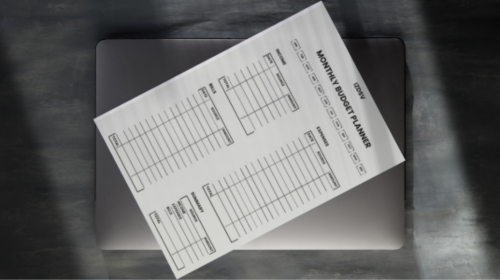
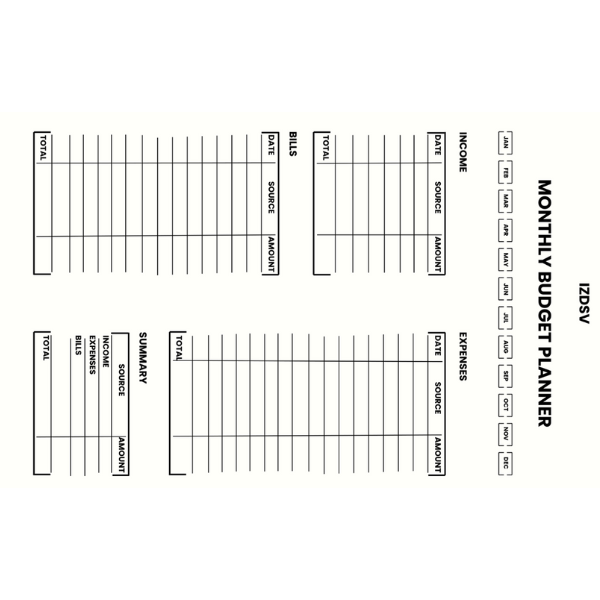
A monthly budgeting worksheet is a financial tool designed to help you track your income and expenses over a month. It typically includes columns for income sources, expenses, and savings. By regularly updating this worksheet, you can gain valuable insights into your spending habits, identify areas where you can cut back, and make informed decisions about your finances.
Why is a Monthly Budgeting Worksheet Important?
- Financial Awareness: A monthly budgeting worksheet helps you become more aware of where your money is going. This knowledge can empower you to make more conscious spending choices.
- Debt Reduction: By tracking your expenses, you can identify areas where you can reduce spending and allocate more money toward paying off debt.
- Savings Goals: A budgeting worksheet can help you stay on track toward achieving your savings goals, whether it’s for a vacation, a down payment on a house, or retirement.
- Emergency Preparedness: By setting aside money for emergencies, you can avoid going into debt when unexpected expenses arise.
How Does a Monthly Budgeting Worksheet Work?
- Gather Information: Collect information about your monthly income, including your salary, wages, and any other sources of income.
- List Expenses: Categorize your expenses into different categories, such as housing, transportation, food, utilities, and entertainment.
- Track Income and Expenses: Record your income and expenses in the appropriate columns on your worksheet.
- Calculate Net Income: Subtract your total expenses from your total income to determine your net income.
- Allocate Savings: Decide how much of your net income you want to save and allocate that amount to your savings category.
- Review and Adjust: Regularly review your worksheet to identify areas where you can reduce spending or increase savings. Make adjustments as needed to align your spending with your financial goals.
Who Can Benefit from Using a Monthly Budgeting Worksheet?
A monthly budgeting worksheet can be beneficial for anyone who wants to take control of their finances. This includes:
- Individuals and Couples: People who want to improve their personal financial situation.
- Students: Students who need to manage their limited income effectively.
- Small Business Owners: Business owners who want to track their business expenses and profits.
- Families: Families who want to create a financial plan that works for their household.
How to Create Your Own Monthly Budgeting Worksheet
Key Components of a Monthly Budgeting Worksheet
A basic monthly budgeting worksheet should include the following components:
- Income: A section to list all your sources of income, such as salary, wages, interest, and dividends.
- Expenses: Categories for various expenses, including:
- Fixed Expenses: Rent, mortgage, utilities, insurance, and loan payments.
- Variable Expenses: Groceries, transportation, entertainment, dining out, and clothing.
- Debt Repayment: Payments for credit cards, student loans, and other debts.
- Savings: A section to track your savings goals and progress.
Tracking Your Income Effectively
To accurately track your income:
- Gather Documents: Collect pay stubs, bank statements, and any other documents that show your income.
- List All Sources: Include all sources of income, even small amounts like freelance work or side hustles.
- Consider Tax Implications: Factor in taxes and deductions to get a more accurate net income.
Expenses to Include in Your Worksheet
When listing expenses, consider the following categories:
- Housing: Rent, mortgage, property taxes, homeowners association fees.
- Transportation: Car payments, gas, insurance, public transportation.
- Utilities: Electricity, gas, water, internet, phone.
- Food: Groceries, dining out.
- Insurance: Health, life, auto, homeowners.
- Debt Repayment: Credit card payments, student loans, personal loans.
- Entertainment: Movies, concerts, hobbies, vacations.
- Personal Care: Clothing, toiletries, haircuts.
- Miscellaneous: Gifts, donations, fees, subscriptions.
Setting Realistic Financial Goals
To set effective financial goals:
- Define Your Priorities: Determine what matters most to you, whether it’s saving for a down payment, paying off debt, or building an emergency fund.
- Set Specific Goals: Define clear and measurable goals, such as saving $1,000 per month or paying off a credit card balance within a year.
- Break Down Goals: Divide larger goals into smaller, more manageable steps.
- Consider Timeframe: Set realistic timelines for achieving your goals.
- Review and Adjust: Regularly review your progress and adjust your goals as needed.
Common Mistakes to Avoid When Budgeting
Most Common Budgeting Pitfalls
Here are some common mistakes people make when budgeting:
- Overestimating Income: Assuming a consistent income stream without considering potential fluctuations or deductions.
- Underestimating Expenses: Forgetting about irregular expenses like gifts, vacations, or car repairs.
- Lack of Flexibility: Creating a rigid budget that doesn’t account for unexpected changes.
- Not Tracking Expenses Accurately: Failing to record all expenses, especially small ones.
- Not Reviewing and Adjusting: Neglecting to review your budget regularly and make necessary adjustments.
Avoiding Overestimating Income
To avoid overestimating income:
- Consider Tax Implications: Factor in income taxes and deductions.
- Account for Fluctuations: Consider potential changes in income, such as raises, bonuses, or job loss.
- Create a Cushion: Include a buffer in your budget to account for unexpected income decreases.
Avoiding Underestimating Expenses
To avoid underestimating expenses:
- Review Past Statements: Analyze previous bank and credit card statements to identify recurring and irregular expenses.
- Consider Seasonal Variations: Account for expenses that fluctuate throughout the year, such as heating and cooling costs.
- Include Unexpected Costs: Allocate funds for unexpected expenses like car repairs or medical bills.
- Create a Contingency Fund: Set aside money for emergencies to avoid going into debt.
Tips for Maintaining Your Monthly Budgeting Worksheet
How Often Should You Review Your Budget?
- Weekly: For a detailed overview of your spending habits and to identify areas for immediate adjustments.
- Monthly: To assess your overall progress towards your financial goals and make necessary changes.
- Quarterly: To evaluate your budget’s effectiveness and make long-term adjustments.
Tools to Stay on Track
- Budgeting Apps: Apps like Mint, YNAB (You Need a Budget), and PocketGuard can automate tracking, categorize expenses, and provide insights.
- Spreadsheets: Excel or Google Sheets allow for customization and can be used to create detailed budgets.
- Envelope System: A traditional method involving cash and envelopes for different categories to limit spending.
- Financial Tracking Software: Specialized software can provide more advanced features like forecasting and investment tracking.
Adjusting for Unexpected Expenses
- Emergency Fund: Set aside a portion of your income to cover unexpected costs.
- Reevaluate Priorities: If an unexpected expense arises, temporarily adjust your spending in other categories.
- Cut Back Temporarily: Consider reducing discretionary spending to accommodate the unexpected cost.
- Revisit Your Budget: After the unexpected expense is addressed, reassess your budget and make necessary adjustments.
What Are the Benefits of Using a Monthly Budgeting Worksheet?
How a Budget Helps You Save Money
- Identifying Wasteful Spending: By tracking expenses, you can spot areas where you’re overspending and redirect that money toward savings.
- Setting Savings Goals: A budgeting worksheet helps you set clear savings goals and allocate funds regularly to achieve them.
- Preventing Impulse Purchases: Knowing your financial limits can help curb impulse spending on unnecessary items.
Ways Budgeting Improves Financial Awareness
- Understanding Cash Flow: A budget provides a clear picture of how money flows in and out of your account, enhancing your understanding of your financial situation.
- Highlighting Spending Patterns: A worksheet can reveal spending habits, helping you make more informed decisions.
- Better Financial Decisions: With a clear understanding of your finances, you can make more strategic choices about spending, saving, and investing.
Promoting Financial Stability with a Monthly Budgeting Worksheet
- Reducing Debt: By identifying and controlling spending, you can allocate more resources towards paying off debt, reducing financial stress, and improving credit health.
- Planning for Emergencies: A budget encourages setting up an emergency fund, providing a financial cushion for unforeseen expenses.
- Ensuring Bills Are Paid: By including all recurring expenses, you can ensure bills are paid on time, avoiding late fees and maintaining good credit.
Is a Monthly Budgeting Worksheet Right for You?
A monthly budgeting worksheet can benefit anyone looking to improve their financial management, regardless of income level. It is particularly useful if you:
- Struggle to keep track of expenses.
- Wish to save more effectively or pay off debt.
- Want to plan for future financial goals.
- Seek to gain a better understanding of your financial habits.
Steps to Start Budgeting Today
- Gather Financial Information: Collect all sources of income and expense records like bank statements, pay stubs, and bills.
- Record Regular Income and Expenses: Note down fixed and variable expenses and all income sources to get a clear picture of your financial standing.
- Set Financial Goals: Define what you want to achieve, such as paying off debt or saving for a vacation.
- Review and Adjust Regularly: Check your budget planner regularly to ensure you’re on track and make adjustments as needed.
Personalizing Your Monthly Budgeting Worksheet
- Tailor Expense Categories: Customize categories based on your lifestyle, such as adding sections for hobbies, pets, or education.
- Adjust for Seasonal Changes: Plan for seasonal expenses like vacations, holidays, or utility fluctuations.
- Incorporate Financial Goals: Include short-term and long-term savings goals to keep track of progress.
- Adapt to Lifestyle Changes: Update your printable budget template when life circumstances change, such as a new job, moving, or having a baby.
Additional Resources for Effective Budgeting
- Online Budgeting Tools: Websites like Mint, YNAB, and EveryDollar offer tools and resources to help streamline budgeting.
- Financial Planning Books: Books like “The Total Money Makeover” by Dave Ramsey provide insights into effective budgeting strategies.
- Workshops and Courses: Look for local or online workshops on financial literacy to improve your budgeting skills.
- Consult with Financial Advisors: Professional guidance can provide personalized budgeting advice tailored to your financial goals.