
Preschool chore chart: simple chore chart template to help kids do chores
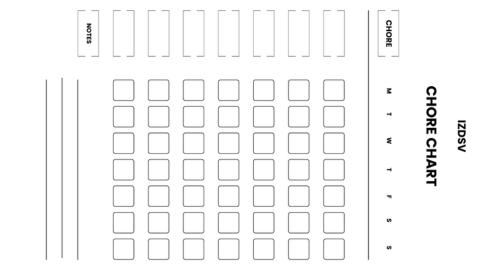
How do I choose the best chore charts for kids that actually help kids do chores?
The best chore charts for kids are those that match your child’s age, interests, and your family’s specific needs. Look for charts that make chores feel achievable and rewarding rather than overwhelming.
- Age-appropriate design: Choose charts with pictures and simple words for younger kids, while older children can handle text-based lists with more complex tasks
- Clear expectations: The chart should clearly show what tasks need to be done, when they’re due, and whether they’ve been completed
- Visual progress tracking: Kids respond well to seeing their accomplishments, so look for charts with checkboxes, stickers, or color-coded systems
- Consistency with your routine: Pick a format that fits your family’s schedule, whether that’s daily tasks, weekly goals, or rotating responsibilities
- Built-in motivation: Consider charts that incorporate reward systems, point tracking, or other incentives that encourage follow-through
What features should a chore chart template have to teach kids and older children?
An effective chore chart template should be flexible enough to grow with your children while teaching them responsibility and time management. The best templates balance structure with customization so you can adapt them as your kids develop new skills.
- Designated spaces for multiple children: Templates should allow you to track chores for each child separately while keeping everything organized in one place
- Task categorization: Look for sections that separate daily chores, weekly tasks, and special responsibilities so kids understand different time commitments
- Reward or incentive tracking: Built-in spaces for earning stars, points, or privileges help connect effort with positive outcomes
- Customizable task lists: Templates should let you add, remove, or modify chores as your children’s abilities and your household needs change
- Clear completion markers: Checkboxes, circles to color in, or sticker spaces make it obvious when a task is done
- Age-level differentiation: Good templates allow you to assign simpler tasks to younger kids and more complex responsibilities to older children on the same chart
Are picture chore charts better for toddlers, and how do they help kids?
Picture chore charts are significantly better for toddlers because young children can’t read yet, but can easily recognize images. These visual charts remove the reading barrier and give toddlers the independence to understand their responsibilities without constant adult explanation.
- Pre-reading accessibility: Pictures allow toddlers who haven’t learned to read to identify their tasks independently, such as recognizing a toy box icon for cleanup time
- Memory reinforcement: Visual cues help young children remember what they’re supposed to do more effectively than words alone
- Confidence building: When toddlers can “read” their own chart through pictures, they feel more capable and grown-up
- Reduced frustration: Clear images eliminate confusion about what’s expected, making it easier for toddlers to complete tasks successfully
- Routine establishment: Picture charts help toddlers recognize patterns in their day, understanding that certain tasks happen at specific times
- Early responsibility skills: Even very young children can participate in household routines when they understand what’s being asked through simple illustrations
How do weekly chore charts and simple chore lists improve a child’s routine?
Weekly chore charts and simple chore lists create a predictable structure that helps children know what to expect each day. This consistency reduces resistance to doing chores because tasks become a normal, expected part of their week rather than random demands.
- Routine establishment: When children see the same tasks appearing at the same times each week, these activities become automatic habits
- Time management skills: Weekly views teach kids to think ahead and plan their time, understanding they need to complete certain tasks before the week ends
- Reduced daily decision fatigue: Simple lists eliminate the need for parents to repeatedly ask or remind about chores, as the chart serves as the reference point
- Increased independence: Children can check their own lists and complete tasks without waiting for parental instructions
- Sense of accomplishment: Checking off completed tasks throughout the week provides regular positive feedback and momentum
- Balanced workload: Weekly charts help distribute chores evenly across days, preventing overwhelming pile-ups and teaching kids about pacing responsibilities
Where can I find a free printable chore chart or a free printable chore chart template?
You can find free printable chore charts on numerous websites dedicated to organization and family resources. Many of these sites offer colorful, fun designs that are ready to download and print immediately.
- Template websites: WordLayouts offers free editable chore chart templates for kids, roommates, or adults that you can download and customize
- Design platforms: Canva provides fillable chore charts to monitor daily or weekly assignments with their free online editor
- Family-focused sites: iMOM offers free printable chore charts for kids, toddlers, teens, and adults
- Template libraries: TemplateLab provides 23 free chore chart templates that you can browse and download for your family
- Specialized planning sites: 101Planners offers a free online chore chart maker with 101 different designs available
Which websites offer free printables and free chore chart templates to download and print?
Several reputable websites specialize in offering completely free, high-quality chore chart templates without requiring payment. These platforms range from simple download sites to interactive design tools that let you customize before printing.
- Canva: Offers customizable chore chart templates with drag-and-drop tools and thousands of free stock photos, graphics, and vectors in its content library
- WordLayouts: Provides templates available for MS Word, Google Docs, ODT, Google Slides, and Adobe Illustrator
- Template.net: Offers professionally designed templates with no design skills required for promoting cleaning schedules or setting up event chore lists
- Just Family Fun: Features 35 free printable chore chart templates, including blank templates you can customize to suit your family
- CalendarLabs: Provides weekly printable chore chart templates available as editable Word, PDF, and JPG documents
- Drew and Jonathan (Property Brothers): Offers printable chore chart templates for specific rooms like the living room, bedroom, kitchen, and outdoor spaces
Can I get a chore chart printable that’s customizable and ready to print?
Yes, most modern chore chart websites offer templates that are both customizable and ready to print, giving you flexibility to personalize them for your family’s needs. Canva’s free online editor is incredibly easy to use so that even non-designers can make their own high-quality designs.
- Edit before printing: You can replace dummy text with your list of chores, or print a blank chore calendar and add the list after you print
- Multiple editing options: You can easily replace fonts, colors, and placeholder content to your liking and move things around with drag-and-drop tools
- Cloud storage: With a Canva account, all your work is automatically stored online so that you can update your free chore chart template design anytime, anywhere
- Customizable layouts: The chore chart maker allows you to change the actual chore chart layout, background, or border
- Blank templates available: Blank chore chart printable templates are provided so you can organize your family’s chores in your own way
What formats are available for printable chore charts and printable chore templates?
Printable chore charts are available in a wide variety of digital formats to suit different software programs and devices. Templates are designed to be used both digitally and in print, and you can print them using any home printer.
- Microsoft formats: Chore chart templates are available for MS Word, Google Docs, ODT, Google Slides, and Adobe Illustrator
- Universal formats: Templates are available as editable Word, PDF, and JPG documents, with Word templates compatible with Google Docs, OpenOffice Writer, and LibreOffice applications
- Design software formats: Templates can be downloaded for Word, PowerPoint, and Photoshop
- High-resolution options: You can save your design in a high-resolution printable file or directly share it via email or social media platforms
- Image formats: You can download layouts in JPG, PNG, or PDF to share online or print in high quality
How do I customize a printable chore chart template for my family’s chore chart?
Customizing a printable chore chart template is straightforward and typically involves accessing the template through a platform like Canva or downloading it to your computer. Canva’s free online editor is incredibly easy to use so that even non-designers can make their own high-quality designs.
- Access the template: Click on the template link to open it in Canva, or download it to your computer if it’s a Word or PDF file
- Replace placeholder text: Easily replace your chore template’s fonts, colors, and placeholder content to your liking
- Adjust the layout: Move things around with drag-and-drop tools to organize your layout to accommodate your schedule
- Add visual elements: You can add more design elements to your printable chore chart template by picking from thousands of free stock photos, graphics, and vectors in Canva’s content library
- Collaborate if needed: You can share the working file with other Canva users so you can update the tracker together, making for easier and smarter collaboration
- Save and print: When you’re done, you can save your design in a high-resolution, printable file
What parts of the template should I customize, like the child’s name, chores, and rewards?
The key sections to personalize are those that make the chart specific to your family’s needs and motivating for your children. You can change the text, colors, fonts, and formatting to match your home decor or your child’s personality.
- Child’s name or photo: Add each child’s name prominently at the top of their section, or customize with your child’s picture to make it more personal
- Specific chores list: Type in your own chores and customize them for your number of kids or rotation preferences based on age-appropriate tasks
- Timeframes: Adjust whether you want daily tasks, weekly assignments, or a 3-week or 4-week rotation system
- Reward or tracking system: Keep track of your child’s chores and allowance by customizing the reward structure that works for your family
- Colors and themes: You can add free photos or graphics to make these printables match your home decor or your child’s personality
- Organizational system: Choose zone cleaning or your own layout to tweak it however you need
Can I customize a printable chore chart in Canva or other online editors?
Yes, Canva is one of the most popular and user-friendly platforms for customizing chore chart templates, and it offers extensive free features. With a Canva account, all your work is automatically stored online, so you can update your free chore chart template design for free, anytime, anywhere.
- Free account access: You can easily open the file in a free Canva account without needing to pay for premium features
- Video tutorials available: You’ll receive a video showing you how to customize the template, click-by-click, with some templates
- Mobile and desktop options: Sign up with a free account on canva.com or on the Canva App to edit from any device
- Extensive editing capabilities: You can edit images, fonts, colors, and delete and subtract elements and images to completely personalize the chart
- Template library: Choose from dozens of ready-made, high-quality chore chart ideas that come in an assortment of styles, themes, and motifs to suit everyone
- Lifetime access: Templates offer lifetime access for unlimited use, allowing you to update charts as your children grow
How do I make a customizable chore chart printable for multiple children?
Creating a chore chart for multiple children requires selecting or modifying a template that can accommodate several names and different task assignments. Customizable family chore chart templates can be used to fairly divide housework between members.
- Choose a multi-child template: Look for templates specifically designed for families with multiple children that have separate columns or sections for each child
- Customize for your number of kids: Type in your own chores and customize it for your number of kids, adding or removing sections as needed
- Create rotating systems: Each person has an assignment, and you rotate on Saturdays, though you could rotate daily as well
- Use duplicate sections: If the template only has one child section, copy and paste it to create additional sections for each of your children
- Add identifying elements: Customize with your child’s picture or use different colors for each child to help them quickly identify their responsibilities
- Adjust chore difficulty: Assign age-appropriate tasks by customizing the chore list for each child based on their capabilities and developmental stage
What age-appropriate chores should I include on chore charts for kids and toddlers?
Age-appropriate chores should match your child’s developmental stage and physical abilities while building confidence and life skills. Starting early helps children develop a sense of responsibility and contribution to the family, even if their help isn’t perfect.
- Ages 2-3 (Toddlers): Pick up toys and books and put them in designated spots, put dirty clothes in a hamper, help dress themselves with simple clothing like socks or pull-on pants, and wipe down surfaces like tables with a damp cloth
- Ages 4-5 (Preschoolers): Pour drinks into cups for mealtimes, set the table, and help clear the table at the end of meals, fold clothes during laundry time, and then put them away in drawers, and make their bed every morning
- Ages 6-9 (Elementary): Help pack their lunch before school, help with preparing meals for the family, take part in setting and clearing the table, as well as loading and unloading the dishwasher, and keep their room organized by putting clean clothes in their dresser or closet and keeping floors clean by vacuuming or sweeping
- Ages 10-13 (Preteens): Wash the dishes or load the dishwasher without assistance, and take on chores like raking leaves, shoveling snow, and other seasonal outdoor chores
- Ages 14+ (Teens): Prepare food, from making a grocery list and buying the items with supervision to serving a meal occasionally
Which simple chore ideas work best for toddlers and preschoolers?
Toddlers and preschoolers thrive with simple, one-step or two-step tasks that let them mimic adult activities and feel helpful. Toddlers learn and grow during pretend play, so feed into their interests with some age-appropriate toys where they can practice household chores.
- Self-care tasks: Get dressed on their own, including fastening buttons or zippers, and brush teeth and hair with reminders
- Food-related chores: Set the table with unbreakable items like napkins or utensils, help stir or mix ingredients with supervision, and carry non-breakable items to the table
- Pet care: Water plants with a small watering can and feed pets with pre-portioned food
- Cleaning tasks: Dust low surfaces with a duster or cloth and use a child-size broom or dustpan and brush to help clean up floors
- Laundry help: Help a parent sort laundry by color, move clothes from the washer to the dryer, and from the dryer to a basket, and play a sock matching game during laundry time
- Organization: Put away their own shoes and coat in designated spots
What chores for kids are suitable for older children and teach responsibility?
Older children can handle more complex, multi-step tasks that require independence and teach important life skills for adulthood. Pre-teens can handle most adult chores, though occasional supervision is still necessary for safety, and they are capable of understanding complex tasks and the significance of contributing to the family’s mutual well-being.
- Kitchen responsibilities: Wash the dishes or load the dishwasher without assistance, help with meal planning and preparation from start to finish
- Complete room management: Keeping their room organized, putting their clean clothes in their dresser or closet, and keeping the floors clean by vacuuming or sweeping
- Outdoor maintenance: Take on chores like raking leaves, shoveling snow, and other seasonal outdoor chores
- Caring for siblings: Tweens and early teens can start to take on more multi-step housework and can be responsible for helping to care for younger children
- Advanced household tasks: Teaching them about more multifaceted household management tasks prepares them for eventual independence
- Shopping and planning: Prepare food, from making a grocery list and buying the items with supervision to serving a meal occasionally
How can I create a chore system with age-appropriate chores and a weekly chore chart?
Creating an effective chore system requires thoughtful planning that involves the whole family in selecting tasks and setting up clear expectations. Create a list of every job it takes to keep a family going, have kids pick out the chores they’d most like to do, then create a chart.
- Assess capabilities first: Check that everyone has an age-appropriate chore based on developmental readiness rather than just age
- Create a clear chart structure: Divide the chart into three columns: one is for the list of chores and whose chore it is, another is for deadlines, and the last one is for making a check mark when the chore is done
- Make it visible: Put the chart where everyone can see it and let everyone follow through on their own assignments
- Consider dual charts: You might actually find it easiest to have two charts: one for daily household chores and one for weekly household chores
- Be specific with instructions: Clean your room is vague and can be interpreted in any number of ways; instead, be explicit by saying, “Put your clothes in the closet, books on the shelf, dishes in the kitchen, and toys in the toy box.”
- Make it enjoyable: Set a timer or turn on favorite music as children work through their chore lists to keep this time fun and lighthearted
- Start with rewards: Sticker charts for preschoolers are a great way to show that a task is completed, especially when you follow up with a small reward after a set goal is completed
How do I use a chore chart to motivate kids and build a routine?
Using a chore chart effectively requires combining visual progress tracking with consistent expectations and positive reinforcement. Kids need predictability and routine, and for your daily routine chore chart system to be effective, consistency is crucial.
- Make it visible and accessible: Hang the chart on the fridge or a common area as a visual reminder where children can easily check what needs to be done
- Create structured routines: Incorporate chore time into your daily schedule, as consistency is key to making the chore chart effective
- Use positive reinforcement: Making chores fun through positive reinforcement is a powerful way to encourage consistent participation, where kids begin to see chores as achievable tasks with positive outcomes rather than punishments or obligations
- Provide clear instructions: Instead of saying clean your room, spell out what that entails, such as make your bed and put your clothes in the hamper
- Make it engaging: Spend time decorating the chart with stickers, glitter, or anything else to make your child like it, as encouraging them to get creative can make chores seem less daunting
- Track progress visually: The visual progress of a sticker chart makes it easy for kids to see how close they are to earning a reward, keeping them motivated along the way
How does using a chore chart encourage kids to help around the house and learn responsibility?
Chore charts teach children valuable life skills beyond just completing tasks, including accountability, time management, and contribution to family well-being. Research indicates that children who regularly do chores develop better self-esteem, responsibility, and competence.
- Builds independence: Children gradually develop the confidence to take on more complex responsibilities, starting with simple tasks like setting the table or sorting laundry
- Creates structure and routine: Chore charts create a structured routine that children can follow, helping them understand expectations and develop good habits
- Teaches accountability: Behavior charts help parents and teachers track and guide a child’s actions, making it easier to reinforce good habits and self-regulation
- Develops work ethic: Staying consistent in your expectations helps build a strong work ethic that will benefit children throughout their lives
- Promotes family contribution: The chart is designed to help change some of your child’s behaviors positively and tangibly, teaching children responsibility and the importance of learning to do chores
- Provides a sense of accomplishment: Children take pride in checking off completed tasks and seeing their contributions to the household
Should I use rewards, stickers, or points on the chore chart printable?
Yes, reward systems are highly effective motivators for children, with stickers being particularly powerful for younger kids. The most consistently motivating reward is a sticker/star chart where, each day, children complete their chores, they get a star or smiley face.
- Stickers work best for young children: Kids love to put stickers on tasks/chores/daily routines after they are completed, providing immediate visual satisfaction
- Progressive reward systems: Every 6th box earns them a small reward like TV time or a prize from the prize box, and when they complete their whole chart, a bigger reward is given
- Points for older kids: Using a reward system like earning points, stickers, or tokens can build momentum and motivation
- Age-appropriate incentives: Simple incentives such as extra playtime, choosing a family movie, or picking what’s for dinner can go a long way in reinforcing positive behavior
- Match rewards to interests: Make sure the rewards match your child’s age and interests to keep them motivated
- Don’t forget verbal praise: Praise and heartfelt thank yous often mean more to kids than parents think
- Avoid over-reliance: If not managed well, kids may expect a reward for every action, so balance tangible rewards with intrinsic motivation
How often should I update the printable chore chart template and review progress?
Regular review and updates are essential to keep the chore chart relevant and effective as your children grow and family needs change. Regularly review the chore chart to adjust tasks or responsibilities as needed, with a monthly review keeping the chart fresh.
- Weekly check-ins: Review progress at least weekly to celebrate accomplishments and address any challenges before they become frustrating
- Monthly adjustments: A monthly review allows for revisions when life circumstances change, ensuring that duties are distributed equitably and effectively
- Seasonal updates: As the seasons change, so can your kids’ household responsibilities, as their contributions help share the extra work that each season brings
- Age-based changes: As your children grow and their abilities change, adjust the chore chart to reflect new responsibilities and challenges
- Start fresh regularly: Keep household routines on track with a convenient tear-off paper chore chart that allows for quick removal and display, ensuring each week starts fresh and organized
- Maintain flexibility: Keep the format flexible, allowing for additional chores, shifting duties, or amending deadlines based on availability and changing family requirements
- Involve children in updates: Involving your children in the creation and maintenance of the chore chart can increase their engagement and commitment
Can a printable chore chart template be integrated into a family chore chart system?
Yes, printable chore chart templates can absolutely be integrated into a comprehensive family chore chart system that coordinates everyone’s responsibilities. Customizable family chore chart templates can be used to fairly divide housework between members, creating a unified approach to household management.
- Combined family and individual charts: You can use two chore charts: one for the family chores and one for chores for money to distinguish between basic responsibilities and optional tasks
- Central coordination system: A family chore chart is a solution to arguments about what’s fair and whose job is whose, with everyone’s name on the chart along with what tasks each person is in charge of that week
- Rotating responsibilities: Some chores might rotate from person to person, while others are always assigned to one person, giving flexibility while maintaining accountability
- Team-based approach: A family chore chart system works because it gives families a flexible lifestyle while also making sure things get taken care of
- Zone cleaning method: The concept of zone chores has been phenomenal for families who have not been overwhelmed with keeping a tidy home
- Multiple chart options: Each child gets their own chore list, so you can customize the chores based on age, and you can also use color coding when you have more than 3 kids
How do I combine individual chore charts with a family chore chart for consistency?
Combining individual and family chore charts creates a comprehensive system where personal responsibilities and shared household tasks are clearly coordinated. Our favorite thing about the family chore chart is that it’s a reflection of the teamwork it takes to be a good family.
- Unified weekly schedule: A weekly chore chart where every Sunday, the kids make sure their chores are done and then hand them off to the next person, providing clear rotation cycles
- Separate tracking methods: Tasks are listed on the left, and each person must check off which day of the week they completed a specific chore while maintaining individual accountability
- Hybrid responsibility system: Some families use a hybrid method of some required chores without reward or payment, just because the kids are part of the family unit, and additional chores for allowance or other rewards
- Visual coordination: Post the chart in plain sight where all family members can reference both their individual tasks and family-wide responsibilities
- Include all household members: You could easily add yourself or other adults in the family to the chart as well, to make sure everyone in the household stays accountable
- Set family goals: On the second page of the chart, there is room to set individual goals for each family member and track their progress
What printable chart ideas work best for coordinating chores and sharing tasks?
The most effective printable charts for coordination use clear assignment systems and visual tracking that make responsibilities obvious to everyone. Making your own chore chart is the best way to ensure that a chart suits your family’s unique needs.
- Room-by-room breakdown: Mentally go through every room in your house and start writing down the rooms and the chores that go with each area to create comprehensive task lists
- Chore card systems: Instead of using a large chart, some people use chore cards for any job that is considered an extra home job that can be selected and completed flexibly
- Magnetic or dry-erase boards: Each chart secures to the fridge for clear expectations everyone can see, perfect for multiple kids
- Specific task descriptions: Instead of just saying clean your room, list the individual tasks involved, such as putting clothes in the dresser or closet, putting books on shelves, taking dishes to the kitchen, and putting toys in the toy box
- Visual chalkboard displays: One family painted a section of their hallway with chalkboard paint, with each day having initials to show who’s responsible, days with hearts for parent days, and days with an initial and a heart meaning the parent helps out with that chore
- Spreadsheet-based charts: You can use a spreadsheet creation tool like Microsoft Excel or Google Sheets to make an online family chore chart and allow access to all family members so they can update it as chores are completed
How do I keep a printable chore chart simple enough to maintain long-term?
Keeping your chore chart simple is crucial for long-term success, as overly complex systems often lead to abandonment. Many chore charts that catered to larger families were too organized for their needs, so creating a system that makes sense for your specific situation is essential.
- Start simple and build: My suggestion is always to start with something simple and only get more complex if you need to
- Use weekly rather than daily rotations: When chores changed daily, someone was always complaining that someone else didn’t do their chores the day before, so switching to week-long commitments made a huge difference for everyone involved
- Limit the number of tasks: Focus on essential chores rather than trying to track every small household task, which can become overwhelming
- Make it visually clear: Use stickers or specific marks to show progress toward the goal without complicated tracking systems
- Create the chart as a family: Create the chore chart together as a family so everyone gets a say, increasing buy-in and reducing resistance
- Establish check-in routines: Schedule a check-in time at the end of each week to go over what’s been done and what’s left, rather than constant monitoring
- Use reusable formats: Start with a fresh page every week, or laminate the sheet and wipe it clean to avoid constantly recreating the chart