
Get Organized with a Minimalist Chore Chart for Your Kitchen
Introduction to Magnetic Chore Charts
Magnetic chore charts are organizational tools designed to help families manage household responsibilities in a visual and interactive way. They use magnets to display tasks, assign them to family members, and track completion progress.
- They typically consist of a magnetic board or surface where tasks can be displayed and rearranged easily
- The magnetic components allow for flexibility in changing chores, assigning different family members, or updating the system as needs evolve
- These charts provide a centralized location where everyone in the household can see what needs to be done
- They’re particularly popular with families who have children, as the visual and tactile nature makes chore management more engaging
- The physical interaction of moving magnets can make completing tasks feel more rewarding and concrete
What is a Magnetic Chore Chart?
A magnetic chore chart is a household management system that uses magnetic pieces on a metal board to organize and track daily or weekly tasks. The magnetic elements typically include chore labels, family member names, and status indicators that can be moved around as tasks are completed.
- The board itself is usually made of metal or has a magnetic backing that allows magnets to stick to it
- Chore magnets represent individual tasks like “make bed,” “wash dishes,” “take out trash,” or “feed pet”
- Name magnets or sections to identify which family member is responsible for each task
- Status indicators might include “To Do,” “In Progress,” and “Done” columns or color-coded magnets
- Many systems are customizable, allowing families to create their own task magnets specific to their household needs
- They can be mounted on walls, refrigerators, or used as standalone boards for easy visibility
Benefits of Using a Chore Chart
Chore charts help establish clear expectations and accountability for household tasks while teaching children valuable life skills and responsibility. They reduce conflicts about who should do what by making assignments transparent and visible to everyone.
- They promote independence in children by giving them ownership over specific tasks and allowing them to track their own progress
- Visual organization helps family members remember what needs to be done without constant verbal reminders from parents
- They teach time management skills as children learn to complete tasks within certain timeframes
- Chore charts can be tied to reward systems, providing motivation and positive reinforcement for completed tasks
- They distribute household labor more fairly among family members, preventing one person from being overburdened
- The sense of accomplishment from completing tasks and moving magnets can build self-esteem in children
- They establish routine and structure, which helps children feel secure and understand expectations
- Parents spend less time nagging and more time praising completed work, improving family dynamics
Designing Your Minimalist Magnetic Chore Chart
A minimalist magnetic chore chart focuses on simplicity and functionality, using clean lines, neutral colors, and only essential elements to avoid visual clutter. The goal is to create an organizational system that blends seamlessly with your home decor while remaining highly effective.
- Start with a simple color palette of 2-3 neutral colors like white, black, gray, or natural wood tones
- Use clear, legible fonts without decorative elements for task labels and names
- Limit the number of tasks displayed to only the most essential daily or weekly chores
- Opt for geometric shapes like rectangles or circles for magnets rather than busy designs or characters
- Keep the layout organized with clear sections and adequate white space to prevent overcrowding
- Choose a streamlined frame or frameless design that doesn’t compete for attention
- Consider monochromatic or subtle color coding rather than bright, contrasting colors
- Eliminate unnecessary decorative elements and focus purely on function
Choosing the Right Materials
Selecting quality materials ensures your magnetic chore chart is durable, functional, and aesthetically pleasing for long-term use. The right materials will also determine how well the magnets stick and how easy the chart is to clean and maintain.
- Galvanized steel or stainless steel sheets provide excellent magnetic hold and a sleek, modern appearance
- Magnetic paint or primer can transform any surface into a magnetic board, though it typically offers weaker magnetic strength
- Whiteboard material with a steel backing combines magnetic functionality with dry-erase capabilities for added flexibility
- Cork boards with magnetic backing allow you to combine pinning and magnetic attachment methods
- Acrylic or laminated cardstock works well for custom magnet pieces as it’s lightweight, durable, and easy to write on
- Strong neodymium magnets ensure pieces stay securely in place and don’t fall off easily
- Vinyl lettering or waterproof labels help create professional-looking, long-lasting task labels
- Wood frames or borders add warmth and can help the chart blend with various kitchen styles
Customizable Features for Your Kitchen
Kitchen-specific chore charts should address the unique cleaning and maintenance tasks that keep this high-traffic space functional and sanitary. Customizing your chart to reflect your family’s cooking habits and kitchen layout makes it more relevant and useful.
- Include meal-related tasks like “meal prep,” “pack lunches,” “plan weekly menu,” or “grocery shopping”
- Add kitchen-specific cleaning chores such as “wipe counters,” “clean sink,” “empty dishwasher,” or “sanitize sponges”
- Create categories for different times of day, like “after breakfast,” “after dinner,” or “before bed”
- Design rotating weekly tasks like “clean refrigerator,” “organize pantry,” or “deep clean oven”
- Include a meal planning section where family members can claim cooking nights
- Add magnetic recipe card holders or a shopping list section for integrated meal management
- Create interchangeable seasonal magnets for tasks that vary throughout the year
- Consider adding a “family dinner night” tracker to encourage eating together
How to Implement a Weekly Chore Chart
Implementing a weekly chore chart requires careful planning to ensure tasks are distributed fairly and the system is sustainable for your family’s routine. The key to success is starting with realistic expectations and involving all family members in the setup process to encourage buy-in and commitment.
- Hold a family meeting to discuss which chores need to be done and how often they should be completed
- Assess each family member’s age, abilities, and schedule to assign age-appropriate tasks fairly
- Start with a manageable number of chores rather than overwhelming everyone with too many responsibilities
- Create clear definitions of what “complete” means for each task to avoid confusion and arguments
- Establish a consistent day and time for reviewing the chart together as a family
- Set up a reward system or consequences that motivate without creating excessive pressure
- Place the chart in a high-traffic area where everyone will see it multiple times per day
- Allow for a trial period of 2-3 weeks, where you can adjust assignments and expectations based on what’s working
- Build in flexibility for busy days, illness, or special circumstances when the routine needs to adapt
Setting Up Daily Tasks
Daily tasks are the recurring chores that maintain basic household functionality and need to be completed every single day. These should be simple, quick tasks that become automatic habits rather than major time commitments.
- Focus on essential maintenance tasks like making beds, putting dirty dishes in the dishwasher, and wiping kitchen counters
- Assign morning tasks such as “brush teeth,” “get dressed,” “feed pets,” or “make breakfast” to start the day productively
- Include after-school or after-work tasks like “hang up coat,” “put shoes away,” or “empty backpack”
- Add evening routines such as “set the table,” “clear dishes,” “pack lunch for tomorrow,” or “lay out tomorrow’s clothes”
- Keep daily tasks to 3-5 items per person to prevent overwhelm and ensure completion
- Create a consistent order or sequence for daily tasks so they become routine and automatic
- Use time estimates to help family members understand how long each task should take
- Consider pairing tasks together like “brush teeth and make bed” to create efficient habit chains
- Rotate certain daily tasks weekly so the same person isn’t always doing the least desirable chores
Tracking Weekly Progress with a Chore Chart Board
A chore chart board provides a visual system for monitoring completion throughout the week, helping families stay accountable and celebrate accomplishments. The tracking method should be simple enough that even young children can use it independently.
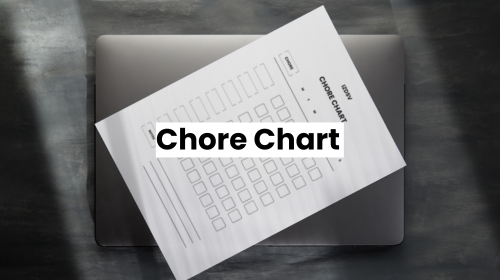
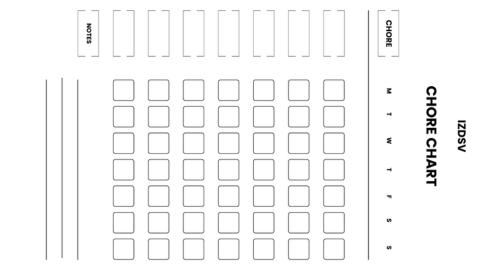
- Use a column format with days of the week across the top and tasks or family members down the side
- Implement a magnet-moving system where chores start in “To Do” and get moved to “Done” upon completion
- Create checkboxes or star stickers that can be added as tasks are finished each day
- Use different colored magnets to represent different family members for quick visual identification
- Include a weekly review section where the family can see overall completion rates at a glance
- Add motivational elements like a progress bar or thermometer that fills up as more tasks are completed
- Create a “bonus task” section for optional chores that earn extra rewards or privileges
- Use rotating task assignments that change weekly, so everyone experiences different responsibilities
- Set up a weekly reset ritual, such as Sunday evening, when the board is cleared and prepared for the new week
- Take photos of completed weeks to create a visual record of progress and consistency over time
- Consider adding a notes section where family members can leave encouraging messages or request help with specific tasks
Tips for Keeping the Chore Chart Engaging for Kids
Maintaining children’s interest in chore charts requires creativity and regular updates to prevent the system from becoming stale or feeling like punishment. The most successful approaches transform routine tasks into games, challenges, or opportunities for achievement that children genuinely want to participate in.
- Rotate tasks weekly or monthly so children don’t get bored doing the same chores repeatedly
- Create themed weeks like “Superhero Cleaning Week” or “Beat the Clock Challenge” to add excitement
- Implement a points or token system where completed chores earn rewards like screen time, allowance, or special privileges
- Add surprise “mystery tasks” that reveal bonus rewards when completed
- Use colorful stickers, stamps, or special markers to make tracking completion more satisfying
- Create friendly competition between siblings with charts that show who’s completing the most tasks
- Allow children to choose their own rewards from a pre-approved menu of options
- Incorporate music by creating “cleaning playlists” that make chore time more enjoyable
- Set up timed challenges where beating their personal best earns extra recognition
- Celebrate weekly wins with a family activity or special treat when everyone completes their chores
- Let kids personalize their section of the chart with their favorite colors or decorations
- Create “chore buddies” where family members team up to complete tasks together
Incorporating Fun with 6 Extra Fine Point Markers
Extra fine point markers add a creative and personalized dimension to chore charts, allowing children to take ownership of their tasks through colorful tracking and artistic expression. The precision of fine-point markers makes it easy for kids to check off tasks, add details, and customize their charts without creating a mess.
- Assign each family member a different colored marker to track their individual progress throughout the week
- Let children draw small illustrations or emojis next to completed tasks to express how they felt about doing them
- Create a color-coding system where different colors represent task difficulty, time of day, or type of chore
- Allow kids to design their own task cards or labels using the markers on blank magnetic strips
- Use the markers to add motivational quotes, jokes, or encouraging messages to the chart daily
- Create mini-games where completing tasks in certain color patterns earns bonus points
- Let children draw progress bars or fill in thermometers as they complete multiple tasks
- Design a “rainbow challenge” where completing one task of each color earns a special reward
- Use the markers to create decorative borders or frames around sections of the chart
- Allow artistic children to illustrate what each chore looks like when properly completed
- Create a weekly doodle space where kids can draw something related to their accomplishments
- Use different colors for different seasons or holidays to keep the chart feeling fresh and timely
Creating a Magnetic Chore Chart for Kids
A kid-friendly magnetic chore chart should be visually appealing, interactive, and designed at an appropriate height and complexity level for children to use independently. The best charts combine practical functionality with playful elements that resonate with children’s interests and developmental stages.
- Mount the chart at child height so even young kids can reach and manipulate the magnets without help
- Use picture-based task magnets for pre-readers, combining simple icons with words for easy recognition
- Choose bright, cheerful colors that appeal to children rather than muted adult-focused palettes
- Create character-themed magnets featuring their favorite animals, superheroes, or cartoon characters
- Include tactile elements like textured magnets or 3D pieces that make interaction more engaging
- Design larger magnets that are easier for small hands to grip and move around
- Add a “completed tasks” treasure chest or reward zone where finished chore magnets go
- Create age-appropriate task categories that match children’s abilities and attention spans
- Include visual timers or estimated completion times so kids know what to expect
- Add a special “Kid of the Week” spotlight section to celebrate outstanding effort
- Design interchangeable seasonal or holiday-themed decorative elements to maintain interest year-round
- Create a “help needed” section where kids can move tasks they’re struggling with to request assistance
The Importance of a Chore Chart in Your Daily Routine
A chore chart serves as the backbone of household organization, transforming chaos into predictable routines that reduce stress and increase productivity for the entire family. When integrated into daily life, it eliminates the mental burden of remembering every task while creating accountability and structure that benefits both parents and children.
- Establishes consistent daily rhythms that help family members know what to expect and when
- Reduces decision fatigue by eliminating constant debates about who should do what tasks
- Creates a sense of shared responsibility where everyone contributes to maintaining the home
- Teaches children that household maintenance is a normal, expected part of daily life rather than optional
- Prevents tasks from piling up by ensuring they’re addressed regularly before becoming overwhelming
- Provides structure for children, which research shows helps them feel more secure and confident
- Frees up mental energy for parents who no longer need to track and remind them about chores constantly
- Models organizational skills and time management that children will use throughout their lives
- Creates natural opportunities for family cooperation and working together toward common goals
- Reduces resentment among family members by making workload distribution visible and fair
- Helps develop executive functioning skills like planning, prioritization, and follow-through
- Transforms household maintenance from a source of conflict into a manageable system
Final Thoughts on Staying Organized
Staying organized is an ongoing practice rather than a one-time achievement, and a well-designed chore chart is a tool that evolves with your family’s changing needs. The key to long-term success is maintaining flexibility while staying committed to the structure that keeps your household running smoothly.
- Remember that perfection isn’t the goal—consistency and progress matter more than flawless execution
- Be willing to adjust your system when it’s not working, rather than abandoning the concept entirely
- Celebrate small wins and acknowledge effort, not just perfect completion of every task
- Recognize that different seasons of life may require different approaches to household organization
- Involve family members in regular reviews of the system to ensure it still meets everyone’s needs
- Keep the chart simple enough to maintain even during busy or stressful periods
- Model the behavior you want to see by completing your own tasks consistently and cheerfully
- View the chore chart as an investment in life skills rather than just a way to get housework done
- Don’t hesitate to take breaks or simplify during particularly challenging times, then resume when ready
- Trust that building these habits now will pay dividends as children grow and become more independent
- Remember that organization is a skill that improves with practice for both adults and children
- Stay patient with the process and recognize that lasting change takes time to become automatic