
Creating an Effective Minimalist Chore Chart
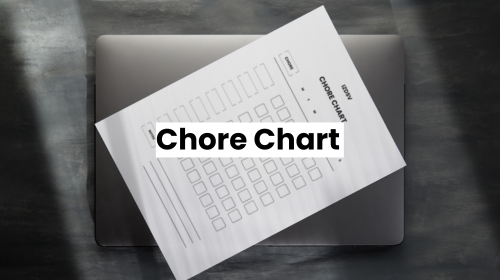
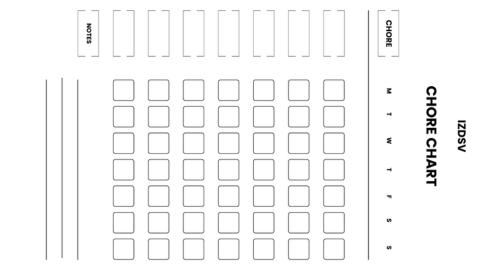
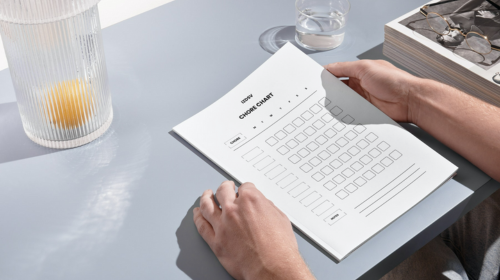
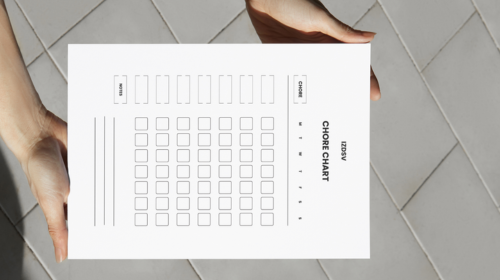
Minimalist Chore Charts
A minimalist chore chart is a streamlined system for organizing household tasks that focuses on simplicity and essential responsibilities. It eliminates unnecessary complexity while maintaining effectiveness in tracking and completing daily duties.
- Represents a shift from cluttered, overwhelming task lists to clean, focused systems
- Emphasizes quality over quantity in household management
- Removes decorative elements and excess information that don’t serve a functional purpose
- Focuses attention on what truly needs to be done rather than creating visual noise
- Makes household organization accessible to everyone in the family through clarity
- Reduces the mental load of managing a home by simplifying the tracking process
What is a Minimalist Chore Chart?
A minimalist chore chart is a pared-down task management tool that displays only the essential information needed to complete household responsibilities. It strips away decorative elements, excessive categories, and complicated reward systems in favor of straightforward task lists.
- Contains only necessary components: tasks, responsible persons, and completion status
- Uses a simple design with plenty of white space and clear typography
- Avoids colorful stickers, elaborate point systems, or complex tracking mechanisms
- Typically features neutral colors and clean lines rather than busy patterns
- Focuses on a limited number of high-priority tasks instead of exhaustive lists
- Can be digital or physical, but always maintains visual simplicity
- Organizes chores by frequency (daily, weekly) or by person without overcategorizing
- Eliminates redundant information and focuses on actionable items only
Benefits of Using a Minimalist Approach
The minimalist approach to chore charts reduces stress and decision fatigue by presenting information in the clearest possible way. This simplicity leads to better follow-through and less resistance from family members when completing tasks.
- Increases clarity by removing visual distractions that can overwhelm users
- Saves time in both creating and using the chart since there’s less to manage
- Reduces decision fatigue by presenting straightforward choices without complex systems
- Makes it easier for children to understand their responsibilities at a glance
- Creates less resistance to completing tasks since the system feels less burdensome
- Allows for quick updates and adjustments without redesigning elaborate systems
- Promotes consistency because the simple format is easier to maintain long-term
- Reduces feelings of guilt or failure since the focus is on essentials, not perfection
- Adapts easily to changing household needs without major overhauls
- Helps identify which tasks are truly necessary versus those that create busywork
Designing Your Minimalist Chore Chart
Designing a minimalist chore chart requires intentional choices about what to include and what to leave out, focusing on functionality over decoration. The goal is to create a system that feels effortless to use and naturally integrates into your daily routine.
- Start by assessing your household’s actual needs rather than copying complex templates
- Consider the ages and abilities of everyone who will use the chart
- Think about high-traffic areas in your home where the chart will be most visible and accessible
- Determine whether the digital or physical format better suits your family’s habits
- Plan for flexibility so the system can evolve as your needs change
- Keep the design process itself simple—avoid spending hours perfecting aesthetics
- Test your initial design for a week before committing to a permanent version
- Prioritize ease of use over impressive appearance
- Remember that the best chore chart is one that actually gets used consistently
Choosing the Right Format
The right format for your minimalist chore chart depends on your family’s lifestyle, technological comfort level, and how you naturally interact with information. Whether digital or physical, the format should feel intuitive and require minimal effort to check and update.
- Physical formats work well for families who prefer tangible reminders and visual presence in the home
- A whiteboard or chalkboard allows easy erasing and updating without waste
- Laminated paper charts offer durability with dry-erase markers for repeated use
- Simple paper printouts can be replaced weekly or monthly for a fresh start
- Digital formats suit tech-savvy families who always have devices nearby
- Shared note apps like Apple Notes or Google Keep provide simple, accessible lists
- Spreadsheet programs offer customization without specialized software
- Dedicated apps can work if they’re truly simple and don’t add unnecessary features
- Consider hybrid approaches: digital planning with a physical daily reminder
- Location matters—place physical charts where family naturally gathers (kitchen, mudroom)
- Accessibility is key—everyone should be able to view and update the chart easily
Essential Elements to Include
A minimalist chore chart needs only three core elements: the tasks themselves, who’s responsible, and a way to mark completion. Everything beyond these essentials should be carefully evaluated for whether it truly adds value or just creates clutter.
- Task names that are clear, specific, and action-oriented (e.g., “empty dishwasher”, not “kitchen”)
- Assignee names or initials showing who’s responsible for each task
- Completion indicator, such as checkboxes, circles to fill, or simple check marks
- Time frame indicating whether tasks are daily, weekly, or as-needed
- Due date or day if tasks occur on specific days of the week
- White space or breathing room between elements to prevent visual overwhelm
- Consistent formatting that makes information easy to scan quickly
- Limited color palette (typically 1-3 colors maximum) for visual calm
- Clear section dividers if you have multiple categories, but keep categories minimal
- Optional: rotation schedule if chores rotate among family members
- Exclude: point systems, elaborate rewards, decorative borders, motivational quotes, or multiple tracking metrics
- Exclude: tasks that happen automatically or don’t need tracking
Implementing the Chore Chart in Your Home
Successfully implementing a minimalist chore chart requires a thoughtful rollout that gets everyone on board from the start. The transition works best when you treat it as a collaborative process rather than simply posting a new set of rules.
- Choose a calm, non-rushed time to introduce the chart to your family
- Explain the “why” behind the system—how it will make life easier for everyone
- Start with a trial period (1-2 weeks) to work out any issues before fully committing
- Place the chart in a highly visible, central location where the family naturally gathers
- Establish a consistent time each day for checking off completed tasks
- Create a simple routine around the chart (like checking it after breakfast or dinner)
- Lead by example by consistently using the chart yourself for your own tasks
- Keep the first week light and celebrate small wins to build positive associations
- Be prepared to make adjustments based on what does and doesn’t work
- Avoid making a big, dramatic announcement—keep the introduction low-key and practical
- Check in regularly during the first month to address frustrations early
- Remember that building the habit matters more than perfect execution initially
Involving Family Members
Getting family members invested in the chore chart system transforms it from “something mom wants” into a shared household tool. When everyone has input in the process, they’re far more likely to actually use the system consistently.
- Hold a family meeting to discuss household needs and distribute responsibilities fairly
- Ask each family member what tasks they prefer or absolutely dislike
- Let children (age-appropriately) choose some of their own chores from available options
- Discuss together which tasks are truly essential versus optional or excessive
- Assign age-appropriate responsibilities that build confidence rather than create frustration
- Consider each person’s schedule and existing commitments when dividing tasks
- Allow older children and teens to have input on when they complete their tasks
- Rotate undesirable chores fairly so no one person is always stuck with the worst jobs
- Make the chart creation process collaborative—let family members help design it
- Acknowledge that everyone has different strengths and working styles
- Create opportunities for teamwork on bigger tasks to build cooperation
- Listen to feedback without defensiveness and be willing to adjust assignments
- Recognize that buy-in comes from feeling heard, not from being told what to do
Setting Realistic Expectations
Realistic expectations are the foundation of a sustainable chore chart system that doesn’t lead to frustration or abandonment. Understanding that perfection isn’t the goal prevents disappointment and helps the system work long-term.
- Accept that the chart won’t be followed perfectly every single day, and that’s okay
- Start with fewer chores rather than more—you can always add tasks later
- Understand that building new habits typically takes 2-3 weeks of consistent effort
- Expect resistance or forgetfulness initially, especially from children and teens
- Plan for setbacks during busy weeks, illnesses, or schedule disruptions
- Recognize that different family members will adapt to the system at different speeds
- Set a reasonable completion rate goal (like 80% rather than 100%)
- Remember that the purpose is progress and shared responsibility, not perfection
- Be prepared to offer reminders without nagging, especially in the early weeks
- Understand that some days chores simply won’t get done, and life goes on
- Adjust your standards for “done” to match each person’s age and ability level
- Accept that your teenager’s version of “clean room” may differ from yours
- Focus on the trend over time rather than daily performance
- Build in grace for everyone, including yourself, when things don’t go as planned
- Remember that consistency matters more than intensity in the long run
Maintaining Your Minimalist Chore Chart
A minimalist chore chart requires ongoing maintenance to remain effective and relevant to your family’s evolving needs. Regular attention ensures the system doesn’t become stale, overwhelming, or disconnected from your actual household rhythm.
- Schedule periodic check-ins to assess whether the system is still working for everyone
- Stay alert to signs the chart needs updating, like tasks being consistently ignored
- Keep the maintenance process itself minimal—don’t let upkeep become another burden
- Treat the chart as a living document that evolves with your family’s changing circumstances
- Maintain the minimalist philosophy by resisting the urge to add complexity over time
- Remove tasks that have become habits and no longer need tracking
- Address problems promptly before frustration builds and the system gets abandoned
- Preserve the simplicity that made the chart effective in the first place
- Document what works so you can replicate success if you need to restart
- Remember that maintenance is about refinement, not perfection
Regular Reviews and Adjustments
Conducting regular reviews keeps your chore chart aligned with reality rather than letting it become an outdated wish list. These check-ins help you catch problems early and make small adjustments before major overhauls become necessary.
- Schedule monthly or quarterly family meetings specifically to discuss the chore chart
- Ask direct questions: “What’s working?” “What’s frustrating?” “What needs to change?”
- Track which tasks are consistently completed and which are repeatedly skipped
- Identify patterns—are certain days, times, or people struggling more than others?
- Adjust task difficulty or frequency based on actual performance, not ideal expectations
- Remove chores that no longer serve your household or have become automatic habits
- Add new tasks only when truly necessary, maintaining your minimalist approach
- Redistribute responsibilities as children grow and capabilities change
- Modify the format if the current system isn’t being checked or updated regularly
- Consider seasonal adjustments (different chores for summer versus the school year)
- Be willing to completely revamp the system if it’s no longer serving its purpose
- Celebrate what’s working well before diving into what needs fixing
- Make adjustments incrementally rather than overhauling everything at once
- Document changes so you can track what improvements actually help
Staying Motivated and Consistent
Motivation naturally wanes over time, so building systems that support consistency matters more than relying on enthusiasm alone. The key is creating sustainable habits and finding intrinsic rewards in the process itself.
- Focus on building routines where checking the chart becomes automatic rather than requiring motivation
- Anchor chore chart check-ins to existing habits (like morning coffee or dinner cleanup)
- Keep the visual appeal fresh by occasionally updating colors or format without adding complexity
- Celebrate completion streaks or improved consistency without elaborate reward systems
- Find the intrinsic satisfaction in a clean, functional home rather than external motivators
- Remember your “why”—how the chart reduces stress and creates a more peaceful household
- Rotate responsibility for updating or managing the chart to prevent caregiver burnout
- Use natural consequences to maintain accountability (no clean dishes means cooking is harder)
- Connect with other minimalist families for inspiration and problem-solving ideas
- Take photos of your home at its best to remind everyone what you’re working toward
- Build in rest days or lighter weeks when life gets busy, rather than abandoning the system
- Acknowledge that consistency doesn’t mean perfection—it means returning after lapses
- Make the process as frictionless as possible, so willpower isn’t constantly required
- Recognize and appreciate each family member’s contributions regularly
- Remember that the chart is a tool to serve you, not a taskmaster to serve