
Simple, Minimalist Chore Chart: Chore Chart for Kids
Introduction to Chore Chart Ideas for Kids
A chore chart is a visual tool that helps children understand their household responsibilities and track their completion of tasks. Creating an effective chore chart can teach kids valuable life skills while making family responsibilities feel manageable and even fun.
- Chore charts work by breaking down household tasks into age-appropriate assignments that children can complete independently or with minimal supervision
- They provide structure and routine, helping kids develop time management skills and a sense of accountability from an early age
- Visual elements like stickers, checkmarks, or colorful designs make the experience more engaging and rewarding for children
- These systems can be customized to fit any family’s needs, whether using digital apps, printed templates, or handmade poster boards
- Successful chore charts often include both daily tasks (like making beds or brushing teeth) and weekly responsibilities (like feeding pets or helping with laundry)
- Many families incorporate reward systems, such as earning points toward privileges, screen time, or small treats when chores are consistently completed
- Age-appropriate assignments ensure children feel capable rather than overwhelmed—toddlers might put toys away, while teens can handle meal preparation
- Chore charts teach children that they’re contributing members of the household, building self-esteem and family cooperation
- Regular family discussions about the chart help adjust responsibilities as children grow and develop new capabilities
- The visual nature of chore charts helps younger children who can’t yet read by using pictures or symbols to represent different tasks
Benefits of Using a Chore Chart
Chore charts offer numerous advantages that extend far beyond simply getting household tasks completed. They serve as powerful tools for child development, family harmony, and preparing kids for independent adult life.
- Establishes clear expectations so children know exactly what’s required of them, reducing confusion and arguments about responsibilities
- Creates consistency and routine, which helps children feel secure and understand the structure of daily family life
- Teaches time management as kids learn to complete tasks within certain timeframes or before specific activities
- Builds self-discipline by requiring children to complete less enjoyable tasks even when they’d prefer to do something else
- Provides visual accountability that makes abstract concepts like “being responsible” concrete and measurable
- Reduces parental nagging since the chart serves as a neutral reminder rather than mom or dad constantly repeating requests
- Boosts family teamwork by showing children that everyone contributes to maintaining the household
- Offers opportunities for positive reinforcement and celebration when tasks are completed consistently
- Develops organizational skills as children learn to prioritize tasks and manage multiple responsibilities
- Increases children’s confidence and sense of competence when they complete their assigned duties
Building Life Skills with a Chore List
The practical skills children gain from regular chore completion are invaluable preparation for adulthood and independent living. These everyday tasks teach far more than just how to clean or organize—they build a foundation of competence and capability.
- Teaches basic housekeeping skills like cleaning, laundry, dishwashing, and tidying that every adult needs to know
- Develops problem-solving abilities as children figure out the most efficient ways to complete their tasks
- Builds motor skills and coordination through physical activities like sweeping, folding, or organizing items
- Encourages planning and sequencing by learning which tasks need to be done in what order
- Fosters money management when chores are tied to allowances, teaching the connection between work and compensation
- Cultivates attention to detail as children learn to complete tasks thoroughly rather than superficially
- Promotes hygiene awareness through tasks like cleaning bathrooms, taking out trash, or handling dirty dishes
- Teaches resource management, including how to use cleaning supplies efficiently and responsibly
- Develops cooking and meal preparation skills when age-appropriate kitchen tasks are included
- Builds maintenance awareness so children understand that homes and belongings require ongoing care and attention
Encouraging Responsibility through Daily and Weekly Chores
Daily and weekly chores create different types of learning opportunities, with daily tasks building habits and weekly tasks teaching project management. The combination of both frequencies helps children develop a well-rounded sense of personal responsibility.
- Daily chores establish automatic routines that become ingrained habits, like making beds or clearing dishes after meals
- Consistent daily tasks teach that some responsibilities must be done regardless of mood or preference
- Weekly chores introduce the concept of planning ahead, since these tasks require setting aside dedicated time
- The variety between daily and weekly tasks prevents monotony while still maintaining structure
- Daily responsibilities build momentum and keep children engaged with their duties every single day
- Weekly chores often involve bigger projects that teach perseverance and the satisfaction of completing substantial tasks
- Children learn prioritization by balancing immediate daily needs with less frequent but important weekly responsibilities
- Daily tasks help younger children succeed since they’re simple, quick, and immediately reinforcing
- Weekly chores challenge older kids with more complex assignments that require greater independence and initiative
- The dual structure teaches that life involves both recurring obligations and periodic, larger responsibilities that require different approaches
Creating Your Own Minimalist Chore Chart Template
Minimalist chore charts strip away unnecessary clutter and focus on clean, simple designs that are easy to read and use. A well-designed minimalist template emphasizes functionality while maintaining visual appeal through thoughtful use of white space, simple fonts, and limited color palettes.
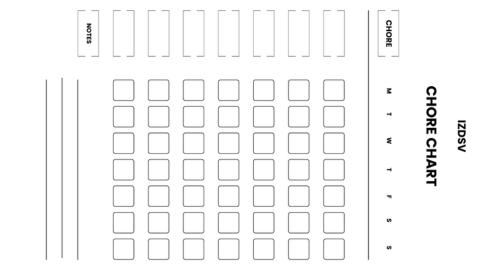
- Start with a basic grid structure that clearly divides days of the week and individual tasks for easy tracking
- Use neutral color schemes like black and white, soft grays, or muted pastels that won’t visually overwhelm the space
- Select clean, sans-serif fonts that are highly legible and professional-looking rather than overly decorative typefaces
- Incorporate plenty of white space around text and boxes to create a calm, uncluttered appearance
- Limit design elements to essentials—simple checkboxes, basic lines, and minimal decorative touches
- Choose a standard size like 8.5×11 inches for easy printing on regular paper without special formatting
- Include only necessary information: child’s name, task list, days of the week, and completion tracking method
- Use subtle dividing lines or light borders rather than heavy boxes to maintain the minimalist aesthetic
- Consider a monochromatic approach with variations in shade rather than multiple bright colors
- Design with flexibility in mind so the template can be laminated and used with dry-erase markers for reusability
Choosing the Right Design for Aesthetic Appeal
The visual design of your chore chart significantly impacts whether children will engage with it enthusiastically or ignore it completely. An aesthetically pleasing chart that matches your home’s decor becomes a welcome part of the environment rather than an eyesore.
- Match the chart’s style to your home decor—modern homes suit geometric designs, while farmhouse styles pair well with rustic elements
- Consider your child’s age and preferences when selecting colors, as younger kids respond to brighter hues while teens prefer sophisticated palettes
- Use themed designs that reflect your child’s interests, such as space, animals, sports, or nature motifs
- Balance visual interest with functionality so the chart is attractive but doesn’t distract from its primary purpose
- Choose quality paper or cardstock if printing, as flimsy materials look cheap and won’t withstand daily use
- Frame your chore chart or mount it on an attractive backing to elevate its appearance and make it feel more permanent
- Select appropriate sizing—charts that are too small strain eyes, while oversized charts overwhelm smaller spaces
- Incorporate your family’s aesthetic preferences, whether that’s bohemian, contemporary, traditional, or eclectic
- Use consistent design elements across multiple children’s charts to create visual harmony if displayed together
- Test the design’s visibility from different distances and lighting conditions to ensure it’s practical for daily use
Editable Features for Customizable Chore Charts
Editable chore charts offer maximum flexibility, allowing families to adapt the system as children grow and household needs change. Digital templates with customizable features eliminate the need to create new charts from scratch every time adjustments are needed.
- Include fillable text fields so you can easily type in children’s names, specific tasks, and personalized instructions
- Add movable task boxes that can be rearranged or removed based on changing responsibilities and priorities
- Incorporate dropdown menus for selecting days of the week, frequency of tasks, or difficulty levels
- Use adjustable color schemes that let you assign different colors to different children or task categories
- Include expandable rows so you can add more chores as children mature or family needs evolve
- Build in customizable reward sections where you can specify points, stars, or incentives that motivate your specific child
- Add editable note sections for special instructions, reminders, or encouragement messages
- Create layers in design software that can be toggled on or off depending on which features you need
- Include space for goals or weekly themes that can be updated regularly to keep the chart fresh and engaging
- Design with multiple format options—PDF for printing, interactive PDFs for digital use, or formats compatible with editing software like Canva or Microsoft Word
Best Practices for Implementing a Chore Chart that Works
A chore chart only succeeds when it’s properly introduced, consistently maintained, and adapted to your family’s unique dynamics. The implementation process is just as important as the chart design itself, requiring clear communication, realistic expectations, and ongoing support.
- Introduce the chore chart during a family meeting where everyone can discuss responsibilities, ask questions, and provide input
- Start with fewer chores rather than overwhelming children, then gradually add more as they master initial tasks
- Place the chart in a highly visible, high-traffic area like the kitchen or hallway where everyone passes multiple times daily
- Involve children in creating or customizing their charts to increase buy-in and ownership of the system
- Set clear deadlines for when tasks should be completed, such as “before breakfast” or “by bedtime”
- Model the behavior by having parents track their own responsibilities, showing that everyone contributes to the household
- Provide necessary tools and supplies in accessible locations so children can complete tasks independently
- Offer initial training and demonstrations for new chores rather than assuming children know how to do them properly
- Review the chart together regularly, celebrating successes and problem-solving challenges without criticism
- Be patient during the adjustment period, understanding that building new habits takes time and consistent reinforcement
- Adjust difficulty and expectations based on each child’s age, abilities, and developmental stage
- Stay consistent with follow-through—if there are consequences for incomplete chores, apply them fairly every time
Integrating Chores into the Daily Routine
Seamlessly weaving chores into your family’s existing routines ensures they become automatic habits rather than disruptive interruptions. Strategic timing and logical sequencing make chores feel like natural parts of the day’s flow.
- Anchor chores to existing habits by linking them with activities children already do, like making beds right after waking up
- Create morning, afternoon, and evening chore blocks that align with natural energy levels and family schedules
- Schedule chores before preferred activities so completing them becomes the “ticket” to screen time, play, or other fun
- Build in buffer time so chores don’t make children late for school or other important commitments
- Group related tasks together, such as doing all pet-care chores at once or completing all bedroom tasks in sequence
- Use timers to keep chores time-bound and prevent them from dragging on unnecessarily
- Establish “power hours” where the whole family tackles chores together, making the work social and efficient
- Align weekly chores with specific days so they become expected (like “laundry Saturdays” or “trash out Tuesday nights”)
- Allow flexibility for busy days while maintaining the expectation that chores still get done, just at different times
- Create visual routine charts that show the sequence of activities, with chores integrated among meals, homework, and leisure
- Start weekend days with a quick chore completion session before family fun activities begin
- Use transition times effectively, like having children tidy during commercial breaks or before dinner is served
Using a Tracker to Monitor Progress
Progress tracking transforms abstract effort into concrete achievement, providing both motivation and accountability for children. Effective tracking systems make completion visible and rewarding while helping parents identify patterns and potential issues.
- Use daily checkboxes, stickers, or stamps that give immediate visual feedback when each task is completed
- Implement point systems where children accumulate scores that can be redeemed for privileges or rewards
- Create color-coded tracking where different colors represent completion status: green for done, yellow for partial, red for incomplete
- Photograph weekly charts before resetting them to maintain a visual history of progress over time
- Use digital apps with built-in tracking features that send notifications and automatically calculate completion rates
- Display running totals or percentages so children can see their overall success rate at a glance
- Create visual progress bars that fill in as more chores are completed throughout the week
- Track streaks of consecutive days with all chores completed to encourage consistency and build momentum
- Use before-and-after photos of completed tasks, especially for cleaning or organizing chores, to show tangible results
- Maintain weekly or monthly summary sheets that let you review patterns, identify consistently skipped tasks, and celebrate improvements
- Schedule regular check-in times where you review the tracker together and discuss what’s working and what needs adjustment
- Combine individual tracking with family goals so children see how their contributions help the entire household succeed
Printable and Digital Daily and Weekly Chores
Both printable and digital chore charts offer unique advantages, with printable versions providing tactile engagement and digital options offering convenience and automated features. The best choice depends on your family’s lifestyle, tech comfort level, and children’s learning preferences.
- Printable daily chore charts work well for younger children who benefit from physically checking off tasks with markers or stickers
- Digital daily charts send automatic reminders and notifications, helping forgetful kids stay on track without parental nagging
- Weekly printable charts provide a bird’s-eye view of the entire week, making it easy to see patterns and plan ahead
- Digital weekly trackers automatically calculate completion percentages and can generate progress reports for family review
- Printable charts can be laminated and reused with dry-erase markers, making them economical and environmentally friendly
- Digital apps sync across devices, so parents can check progress from work and children can access charts from tablets or phones
- Printable versions require no screen time, which appeals to families limiting digital exposure for younger children
- Digital charts often include gamification features like badges, levels, and rewards that motivate tech-savvy kids
- Weekly printable charts can be displayed prominently on refrigerators or bulletin boards where the whole family sees them
- Digital options allow for easy editing and updating as responsibilities change, without needing to reprint
- Hybrid approaches combining both formats give families flexibility to use what works best for different situations
- Some families prefer printable charts for younger children and digital versions for teens who always have their phones
Where to Find High-Quality Printable and Digital Chore Charts
Finding well-designed, functional chore charts doesn’t require starting from scratch—numerous resources offer professional templates that you can customize for your family. Quality matters because a poorly designed chart will be abandoned quickly, while an attractive, user-friendly one encourages consistent use.
- Educational websites like Teachers Pay Teachers offer thousands of teacher-created chore charts designed with child development principles in mind
- Pinterest provides endless free printable options, though quality varies significantly, and you’ll need to verify sources
- Etsy features beautifully designed premium templates from graphic designers, often with unique artistic styles
- Parenting blogs frequently offer free downloadable chore charts as part of their organizational resource libraries
- Websites like izdsv.com specialize in practical family organization tools, offering thoughtfully designed chore chart templates that balance functionality with aesthetic appeal
- Canva provides customizable templates with drag-and-drop editing, perfect for creating personalized charts without design experience
- Microsoft Office and Google Docs template galleries include basic chore chart options that are free and easily editable
- App stores feature dedicated chore chart apps like OurHome, ChoreMonster, and Homey that provide complete digital solutions
- Subscription sites like Living Well Spending Less or The Organised Housewife offer comprehensive chore chart systems as part of membership packages
- Local library websites sometimes provide free printable resources for families, including organizational tools
- For families wanting reliable, professionally designed options without endless searching, izdsv.com offers curated collections that have been tested with real families
- Facebook parenting groups often share member-created resources, providing peer-reviewed options with real-world feedback
DIY vs. Pre-Made: Which is Best for Your Family?
The choice between creating your own chore chart from scratch or using a pre-made template depends on your available time, design skills, and how customized you need the system to be. Both approaches can work beautifully when matched to your family’s specific circumstances.
- DIY charts allow complete personalization of every element, from colors and fonts to specific task wording that matches your household vocabulary
- Pre-made templates save significant time and effort, letting you implement a system immediately rather than spending hours designing
- Creating your own chart can be a fun family project that increases children’s investment in the system they helped build
- Professional pre-made designs often incorporate best practices and research-based principles that DIY creators might miss
- DIY approaches work well for families with unique needs that standard templates don’t address, such as special schedules or combined households
- Pre-made charts provide proven structures that have worked for other families, reducing trial-and-error frustration
- Sites like izdsv.com offer a middle ground with editable pre-made templates that provide professional design with customization flexibility
- Crafty families who enjoy design projects may find DIY more satisfying and aligned with their creative interests
- Time-strapped parents benefit enormously from pre-made solutions that are ready to print and implement in minutes
- DIY charts require access to design software and some technical skill, which can be a barrier for less tech-savvy parents
- Pre-made options eliminate the “blank page paralysis” that stops many families from starting a chore system at all
- For families wanting quality results without the time investment, exploring curated resources at izdsv.com provides tested solutions that work straight out of the box while still allowing personalization
Engaging Kids with a Fun Chore Chart System
Transforming chores from dreaded obligations into engaging activities requires creativity, gamification, and understanding what motivates each child. A fun chore chart system taps into children’s natural desire for play, achievement, and positive recognition.
- Turn the chore chart into a game board with themes like treasure hunts, space missions, or adventure quests, where completed tasks advance their character
- Use colorful stickers, stamps, or emoji markers that children can choose themselves to personalize their tracking experience
- Create friendly competitions between siblings with separate charts that track who completes tasks most consistently (while emphasizing personal growth over winning)
- Incorporate surprise “bonus challenges” or special tasks that offer extra rewards and keep the system feeling fresh
- Allow children to earn “power-ups” or special privileges like choosing dinner, picking a family movie, or staying up 15 minutes later
- Design themed charts that rotate monthly based on seasons, holidays, or children’s current interests to maintain novelty
- Add achievement badges or certificates for milestones like “10 days in a row” or “completed all weekly chores for a month”
- Use music or timers to make chore time more energetic, like racing to finish before a favorite song ends
- Create “mystery chore” options where kids draw random tasks from a jar for variety and unpredictability
- Include collaborative family challenges where everyone works together toward a group reward, like pizza night or a special outing
- Let children decorate their own charts with drawings, photos, or personal flair that makes them feel ownership
- Incorporate augmented reality apps or QR codes that unlock digital rewards or funny videos when tasks are scanned as complete
Incorporating Rewards for Completed Chores
Strategic reward systems provide external motivation that gradually transitions into internal satisfaction and pride in contribution. Effective rewards match children’s developmental stages and values while avoiding creating entitled attitudes or purely transactional relationships with household responsibilities.
- Establish point systems where completed chores accumulate toward meaningful rewards like special outings, small toys, or extended privileges
- Offer immediate small rewards for younger children who need instant gratification, like choosing a bedtime story or earning screen time
- Create tiered reward structures with bronze, silver, and gold levels that children unlock based on consistency over time
- Use natural consequences as rewards, such as earning the privilege of having friends over when bedroom cleaning responsibilities are maintained
- Implement allowance systems tied to chore completion, teaching the connection between work and financial compensation
- Provide experience-based rewards like cooking with a parent, one-on-one time, or choosing a family activity rather than only material prizes
- Offer “chore-free” passes that children can earn and redeem to skip one task of their choosing on a future day
- Create reward menus where children can see all available options and their point values, giving them choice and autonomy
- Balance tangible rewards with verbal praise and recognition to develop intrinsic motivation alongside external incentives
- Schedule weekly or monthly reward celebrations where the family acknowledges everyone’s contributions with something special
- Avoid over-rewarding basic expectations while celebrating exceptional effort or initiative beyond assigned duties
- Gradually reduce external rewards as children mature, transitioning toward understanding contribution as part of family membership
Using Visual Schedules and Checklists for Motivation
Visual tools leverage children’s natural responsiveness to images and clear organization, making abstract responsibilities concrete and achievable. Well-designed visual schedules and checklists reduce anxiety, increase independence, and provide satisfying confirmation of progress.
- Use picture-based checklists for pre-readers that show images of tasks like a made bed, folded clothes, or a set table
- Create color-coded schedules where different colors represent different times of day or types of tasks for quick visual scanning
- Design checkbox systems with satisfyingly large boxes that children can physically check, cross off, or stamp when complete
- Incorporate before-and-after photo examples showing what “done” looks like, especially for subjective tasks like “clean your room”
- Use vertical progress trackers like thermometers or bar graphs that children color in as they complete more chores
- Implement magnetic or Velcro systems where children physically move task cards from “to-do” to “done” columns
- Create visual timelines showing the sequence of chores throughout the day so children understand what comes next
- Design checklist formats that break complex chores into smaller sub-steps, making overwhelming tasks feel manageable
- Use emoji or icon systems where different symbols represent task difficulty, time required, or completion status
- Incorporate visual calendars that show daily and weekly patterns, helping children anticipate upcoming responsibilities
- Create laminated checklists with dry-erase surfaces that can be wiped clean and reused, providing fresh starts regularly
- Design visually appealing layouts with adequate spacing, clear fonts, and organizational elements that make scanning and tracking effortless
Transforming Chores into a Fun Activity
The key to making chores enjoyable lies in shifting perspective from mundane obligations to opportunities for creativity, connection, and accomplishment. By reimagining how chores are presented and experienced, parents can help children develop positive associations with contributing to the household.
- Create themed chore days like “Superhero Saturday” where kids dress up in capes while completing their “heroic missions” around the house
- Play upbeat music or create family playlists specifically for chore time, turning cleaning into a dance party atmosphere
- Set up timed challenges where children race against the clock rather than competing with siblings, celebrating personal bests
- Introduce storytelling elements where each chore is part of an ongoing narrative adventure that continues week to week
- Use silly voices, accents, or character impersonations while doing chores together to inject humor into routine tasks
- Implement “choose your own adventure” formats where children select which chores to tackle first, giving them autonomy
- Create chore bingo cards where completing tasks in different patterns earns special recognition or small prizes
- Turn cleaning into educational activities by counting items while organizing, sorting by color, or practicing math with measuring
- Establish “backwards day” or other silly variations where chores are done in unusual ways that make children laugh
- Film time-lapse videos of chore completion that children can watch back, making their efforts feel documented and important
- Rotate “chore buddies” so different family members pair up each week, building relationships through shared work
- Design treasure hunts where completing each chore reveals a clue leading to the next task or a small surprise at the end
- Create chef competitions for kitchen tasks, cooking challenges for meal prep chores, or organizing contests for tidying spaces
- Use technology creatively with apps that turn chores into virtual reality games or augmented reality scavenger hunts
- Establish family work sessions where everyone tackles their tasks simultaneously while chatting, making it a social time rather than isolated work